
Dubery D620 polarized sunglasses UV400
SLP sits at 1,860m — full UV protection matters. Polarized lenses cut desert glare.
$500–1,200 MXN
View on Mercado LibreAffiliate link

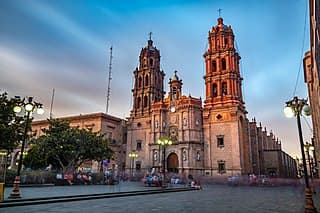
Colonial charm, natural wonders and world-class gastronomy — discover one of Mexico's most beautiful and authentic cities.
Reviewed on
San Luis Potosí's historic center is a treasure trove of baroque and neoclassical architecture, grand plazas and world-class museums.

Walk through colonial plazas, baroque churches, and pedestrian streets. The heart of the city, inscribed by UNESCO in 2010 as part of the Camino Real de Tierra Adentro World Heritage Site.
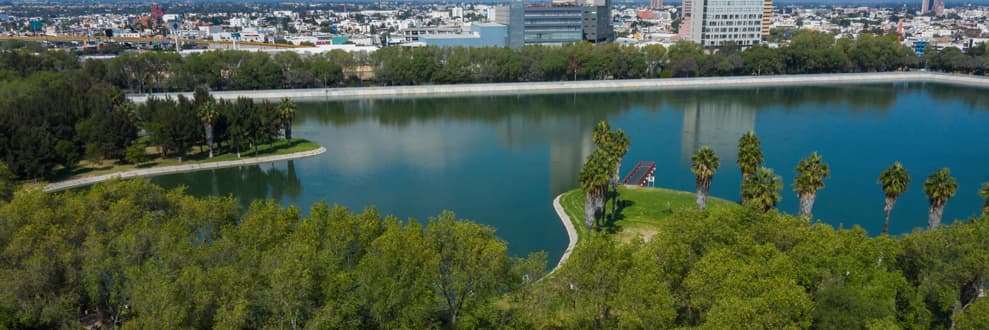
One of Mexico's largest urban parks, with 420 hectares of trails, lakes, sports facilities, gardens and a planetarium.
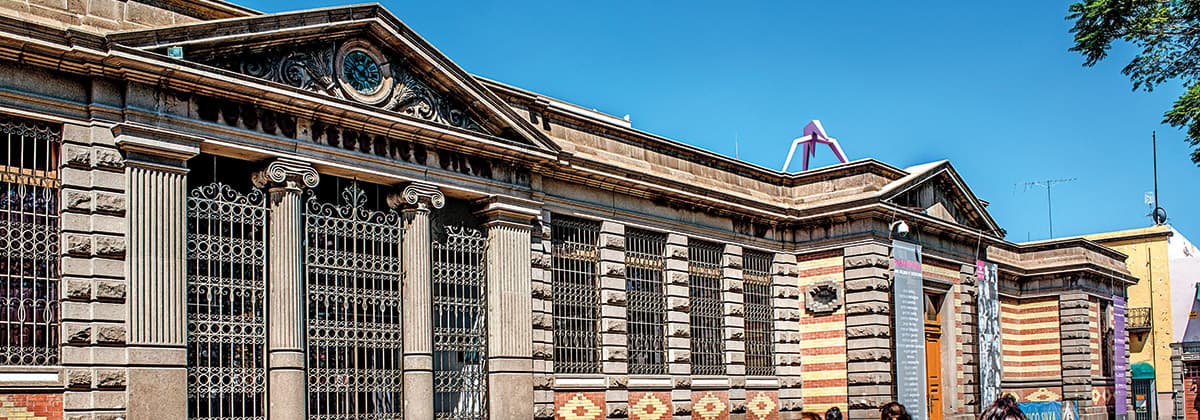
From the Museo Nacional de la Máscara to the Centro de las Artes — SLP has well over a dozen museums to explore.
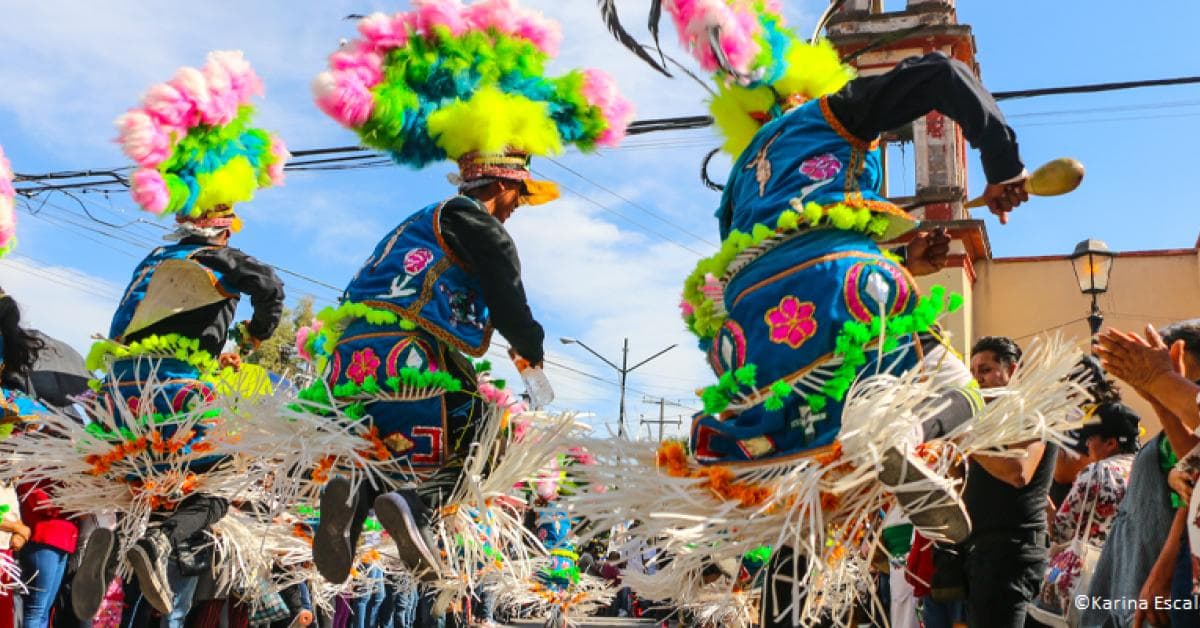
Discover 400+ years of history from colonial silver mining to the Mexican Revolution.
Timestamps, real restaurant names and ballpark costs. Swap freely — each day stands on its own.
Classic potosino breakfast — enchiladas potosinas or huevos rancheros at this institution on Av. Carranza, open since 1975 and a short walk from the Cathedral.
Walk the main square, visit the baroque Cathedral and step into the neoclassical Palacio de Gobierno.
Craft-beer cantina with home-style food on Av. Universidad 169, in the Centro Histórico.
Modern sculpture museum in a restored 1907 school building, then the Churrigueresque masterpiece of Templo del Carmen.
Golden hour in the plazas. Stop at Chocolates Costanzo for a traditional hot chocolate.
A long-running, upscale SLP classic at Av. Carranza 560. Spanish and international cuisine, known for its paella and live piano.
Staying in the Centro Histórico puts you within walking distance of nearly every attraction, restaurant and plaza. Pick your tier below.
Comfortable hostels, guesthouses and small hotels in Centro or near Alameda.
Stylish boutique hotels and refurbished colonial buildings within walking distance of Plaza de Armas.
Restored palaces and design-forward boutique hotels offering a full five-star experience.
SLP is one of the easiest Mexican cities to navigate. Here is what you will actually use.
The historic center is compact and pedestrian-friendly. Most top attractions sit within a 10-minute stroll of Plaza de Armas.
Tip: Wear comfortable shoes — cobblestone streets are charming but punishing in heels.
The easiest way to reach neighborhoods beyond Centro. Both apps work well and are cheaper than street taxis.
Tip: Compare fares in both apps before booking, especially for longer rides.
Extensive network covering the metro area. Pay in cash on boarding. Routes are labeled on the windshield.
Tip: Ask your hotel for the best line to your destination. A prepaid card lowers the fare to $12.50 MXN.
Essential for day trips to Real de Catorce, Huasteca Potosina or wine country. Not needed within the city.
Tip: Book through Discover Cars or Expedia. Verify the rental includes full insurance (seguro amplio).
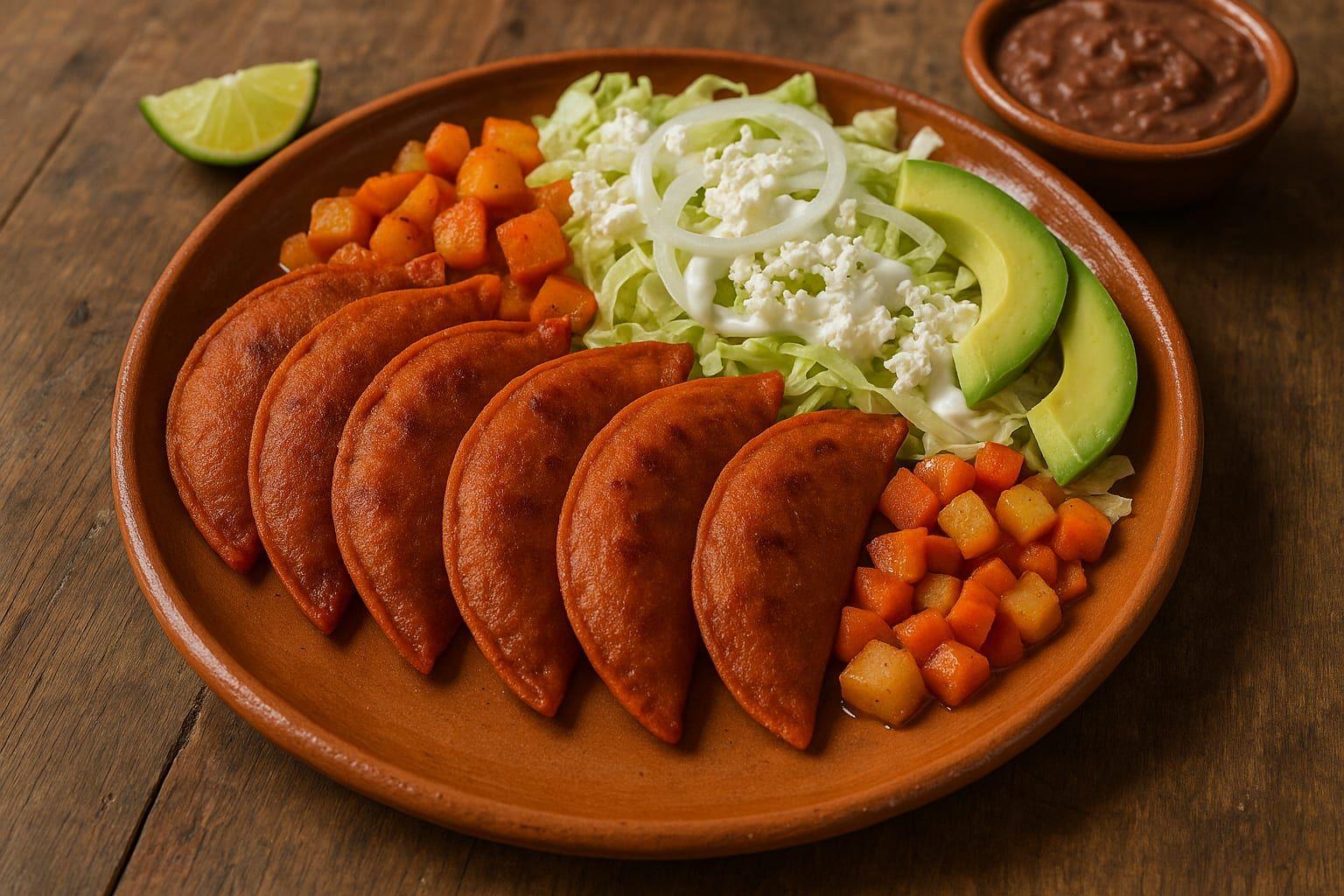


Potosino cuisine is one of Mexico's best-kept culinary secrets. From enchiladas potosinas to gorditas and craft mezcal, the food scene is vibrant and affordable.
San Luis Potosí is one of Mexico's best value cities. A comfortable day on the ground rarely tops $50 USD.
Cards work at hotels, mid-range restaurants and malls. Carry cash ($300-500 MXN) for taxis, street food, markets and small shops.
Restaurants: 10-15%. Bellboys: $20-30 MXN per bag. Tour guides: $100-200 MXN per person. Uber: optional, rounding up is appreciated.
From free walking tours to full-day adventures — here is what is worth booking.
Local guides cover 400+ years of history, architecture and urban legends in the Centro Histórico.
About Centro Histórico →
Narrated open-trolley loop through the Centro Histórico, passing El Carmen, the Cathedral, San Francisco, San Miguelito and Guadalupe.
Book the tram →
Full-day excursion from SLP city to the 105 m Tamul waterfall, or to Puente de Dios and the Tamasopo falls. Transport and guide included.
Corazón de Xoconostle →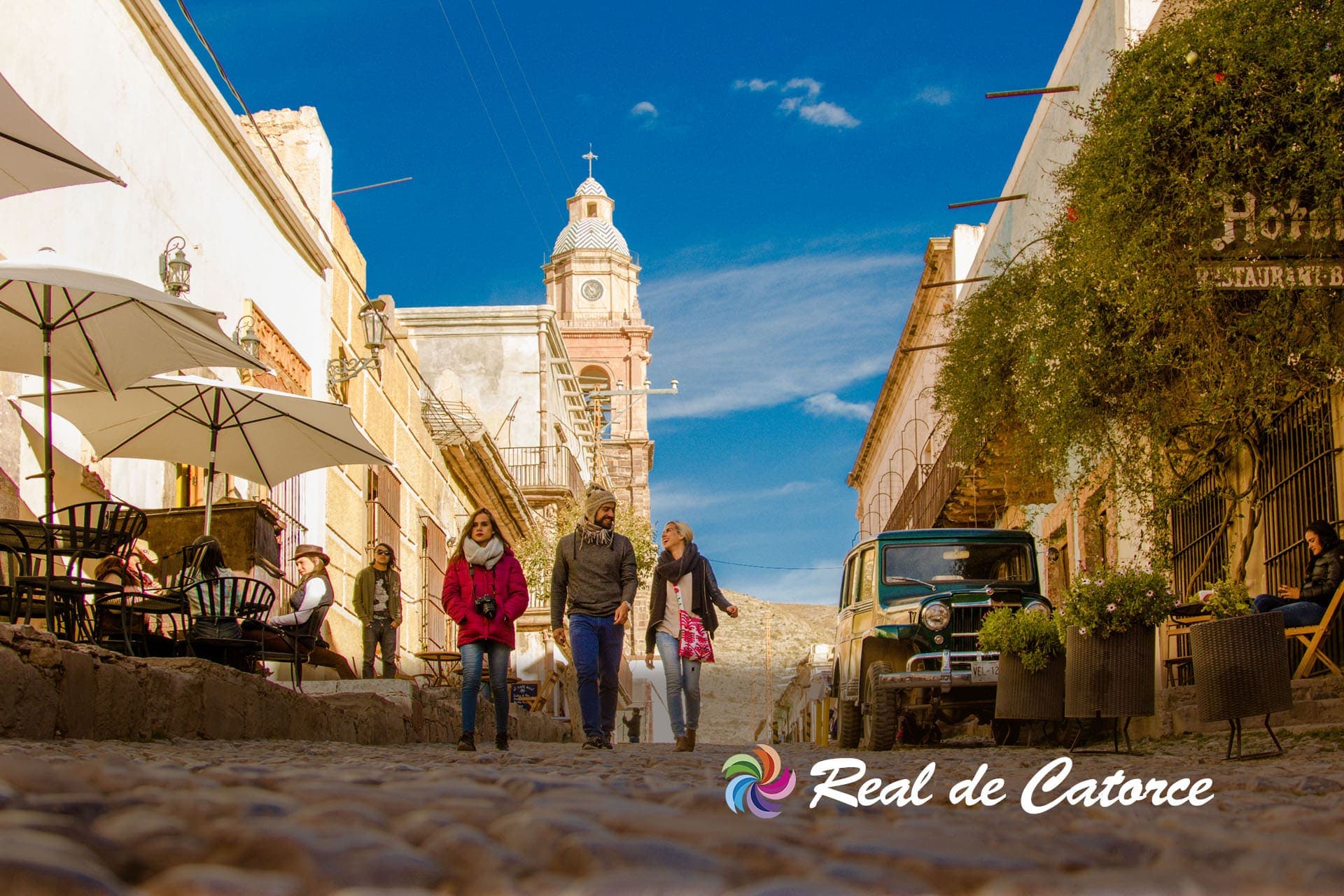
Guided drive through the Ogarrio tunnel into the surreal silver-mining ghost town in the high desert.
Book with a local guide →
Visit wineries near the city such as Viña Cordelia, or taste artisan Potosino mezcal made from salmiana agave.
Local producers →Six places where SLP looks its absolute best — and what time to show up.
📸 Arrive 30 min before sunset. The Cathedral facade lights up with warm tones while locals gather on the benches.

📸 Shoot from across Calzada de Guadalupe for a symmetrical frame of this 1830s neoclassical water fountain. Best midmorning when shadows are soft.
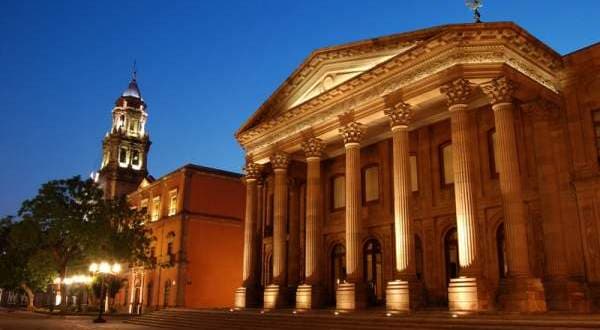
📸 The portico columns frame dramatic portraits. Come after dusk when the facade is illuminated in amber light.
📸 The Churrigueresque facade looks best in soft morning or late-afternoon light. A wide lens captures the full tiled dome.
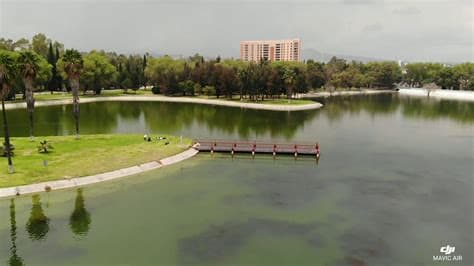
📸 The lakes at Tangamanga mirror the sky at dawn. Arrive 15 min before sunrise for dreamy reflections and no crowds.
📸 Hotel Museo Palacio de San Agustín has a rooftop terrace with a bird-eye view of the historic skyline. Ask the hotel whether it is open to non-guests.
Some of Mexico's most spectacular natural wonders are within a few hours of SLP.

Turquoise waterfalls, jungle rivers, and surreal natural pools. Mexico's adventure paradise.
3.5-4.5 hours eastGhost town turned magic pueblo. Arrive through a 2.3km tunnel into a mystical desert landscape.
3.5 hours north
Edward James' surrealist garden in the jungle. A dreamlike sculpture park hidden in the Sierra Madre.
5 hours eastSan Luis Potosí state has six Pueblos Mágicos — Real de Catorce, Xilitla, Aquismón, Santa María del Río, Ciudad del Maíz and Tierra Nueva. These three are the best known.
A former silver-mining ghost town perched at about 2,730 m. You enter through the one-lane Ogarrio tunnel and emerge into cobblestone streets, sacred peyote country and a Wim Wenders kind of silence. Pilgrims walk here for the feast of San Francisco (Oct 4).
Home to Las Pozas, the surrealist sculpture garden designed by Edward James in the Huasteca jungle. Spiral staircases climb to nowhere, concrete orchids bloom in the mist and waterfalls cut through the ruins.
Gateway to the Huasteca Potosina's biggest wonders — the 105m Tamul waterfall, the Sótano de las Golondrinas cave and turquoise rivers. Nearby Tancanhuitz Teenek villages offer deep indigenous culture.
SLP has one of Mexico's richest cultural calendars, from colonial-era festivals to contemporary art.
Skip the generic gift-shop trinkets. These are the authentic SLP products locals actually buy.

Traditional silk or cotton shawls hand-woven in Santa María del Río — declared intangible cultural heritage of the state of San Luis Potosí (2016).
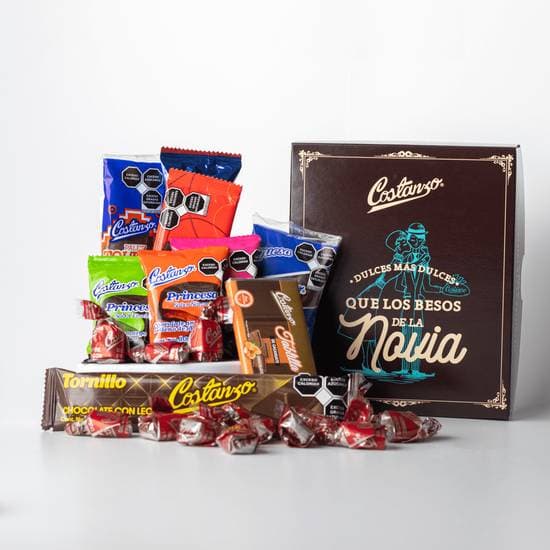
The city's beloved chocolatier since 1930. Signature chocolate bars, bombones and drinking chocolate.

Small-batch mezcal from the Altiplano region, made mainly from salmiana agave.
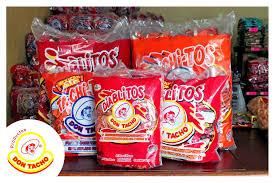
Classic Mexican goat-milk caramel — perfect on toast, ice cream or eaten straight from the jar.
The state has one of Mexico's lowest reported homicide rates (México Evalúa, H1 2026), though about 6 in 10 city residents say they feel unsafe (INEGI ENSU, June 2026). These practical tips will keep your trip smooth.
Don't drink from the tap. Bottled water is everywhere and cheap ($15-25 MXN / 1.5L). Hotels provide complimentary bottles. Established restaurants generally use ice made from purified water.
SLP sits at 1,860 m (6,100 ft). Most visitors feel fine but take it easy on day one: hydrate, skip heavy alcohol, and pace yourself if coming from sea level.
High altitude = strong UV even on cool days. Pack SPF 30+, sunglasses and a hat. The midday sun in spring can be deceptively intense.
Cards accepted almost everywhere, but carry $300-500 MXN for markets, taxis and tips. ATMs in bank branches (BBVA, Banorte, Santander) are the safest.
Pharmacies are abundant. Many common medicines are sold over the counter, but antibiotics and controlled drugs require a prescription from a doctor licensed in Mexico. Large chains include Farmacias Guadalajara, Benavides and Similares.
Dial 911 for any emergency (police, fire, ambulance). 089 is the anonymous-tip line. Save your embassy or consulate phone just in case.
Ponciano Arriaga International Airport (SLP) has direct flights from Mexico City (Aeroméxico; Viva Aerobus to AIFA), Monterrey, Guadalajara, Dallas, Houston and, since June 2026, Chicago (Volaris). The airport is about 17 km north of downtown.
First-class buses (Primera Plus, ETN, Futura and others) connect SLP to Mexico City (about 5-6 hrs), Querétaro (about 3 hrs), Guadalajara (about 4.5-5 hrs) and Monterrey (6 hrs or more). The central bus station is modern and well-connected.
SLP has a semi-arid climate with warm days and cool nights. The city sits at 1,850m elevation, keeping temperatures comfortable year-round.
Mild, mostly dry days (highs ~23-26°C) and cold nights (~4-9°C). Día de Muertos celebrations, holiday markets, and the Fiesta de Luz.
Dry, with warm days (highs ~23-28°C) and cold nights (~4-7°C). Holy Week processions in March/April.
The warmest months (highs ~29-31°C), with rains starting in June. Festival San Luis en Primavera around Holy Week.
Rainy season, afternoon showers (20-28°C). FENAPO — the biggest festival — in August.
One of Mexico's best-known Holy Week processions — some 30 cofradías and more than 2,000 hooded participants walking in silence through the Centro. Declared intangible cultural heritage of the state in 2013.
A full week of religious processions, candlelight vigils and baroque music. The city fills up — book accommodation months ahead.
Feria Nacional Potosina — the state's biggest annual fair, with concerts, food and rides. The 2026 edition ran August 7-30.
Altars in plazas and homes, traditional pan de muerto, and Xantolo celebrations across the Huasteca.
SLP has its own international airport, Ponciano Arriaga (code SLP), with direct flights from Mexico City (Aeroméxico; Viva Aerobus flies to AIFA), Monterrey, Dallas, Houston and, since June 2026, Chicago. By bus, it is about 5-6 hours from Mexico City, about 3 hours from Querétaro and 6 hours or more from Monterrey, with lines such as Primera Plus, ETN and Futura.
A minimum of 2-3 days covers the historic center, main museums and local cuisine. For day trips to Huasteca Potosina, Real de Catorce or Xilitla, plan 5-7 days total.
The historic center and main tourist areas are busy and generally considered safe for visitors. The state has one of Mexico's lowest reported homicide rates (México Evalúa, H1 2026), although about 6 in 10 city residents say they feel unsafe (INEGI ENSU, June 2026). Standard precautions apply as in any city.
October to April is the driest and most pleasant period, with daytime highs of about 22-28°C and cool to cold nights. The Feria Nacional Potosina (FENAPO) in August is the biggest festival. Holy Week (Semana Santa) features spectacular processions.
Basic Spanish helps, especially outside the city center. Hotels, major restaurants and tourist attractions often have English-speaking staff. Learning a few phrases will enrich your experience significantly.
SLP sits at 1,860m — full UV protection matters. Polarized lenses cut desert glare.
$500–1,200 MXN
View on Mercado LibreAffiliate link

Viral for a reason — keeps water icy for 11+ hours. Perfect for hikes, coworking, and long drives.
$900–1,500 MXN
View on Mercado LibreAffiliate link

Trail-ready grip for Real de Catorce, Huasteca Potosina, and Sierra de San Miguelito.
$1,200–2,500 MXN
View on Mercado LibreAffiliate link
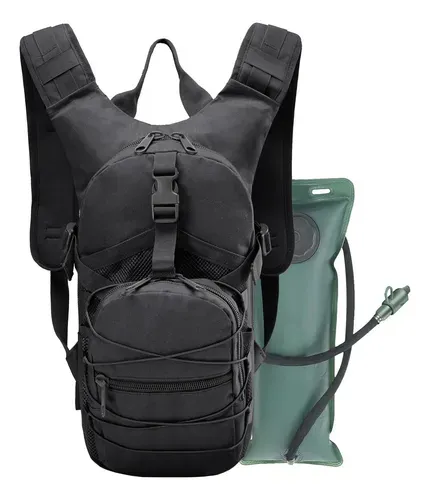
Hands-free hydration for long days at Cascadas de Tamul, Sierra trails, or biking.
$500–1,200 MXN
View on Mercado LibreAffiliate link
Practical tips and useful info to navigate the city, plus events and local discoveries.
Free events, new restaurants, updated guides — every week.
Get weekly updates on new places, events, and expat tips delivered to your inbox.
We respect your privacy. Unsubscribe at any time.