
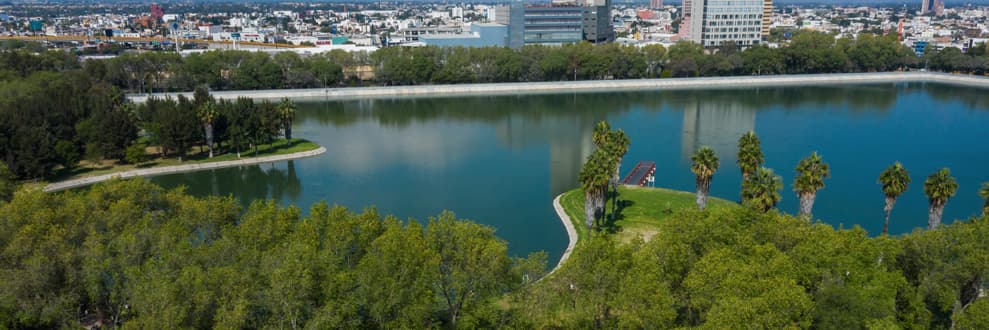
Tangamanga Park I
Reviewed on
Trails · Sports · Museum · Gardens
Upcoming events at Tangamanga I
Activities with confirmed dates and venues inside Tangamanga I Park.
San Luis Bowl 2026 — National Flag Football Tournament
September 18, 2026 – September 20, 2026
Campos del Parque Tangamanga I, San Luis Potosí
National flag football tournament at Parque Tangamanga I from September 18 to 20. Check with Liga Estatal de Tocho Bandera for category schedules and participation requirements.
Family friendlyElefante – 30th Anniversary Tour
September 18, 2026
Teatro de la Ciudad, Parque Tangamanga I, San Luis Potosí
Mexican rock band Elefante celebrates three decades with a full-hits show (Así es la vida, Durmiendo con la Luna, Mentirosa) at Teatro de la Ciudad in Parque Tangamanga I on Friday, September 18, 2026 at 8:30 PM. Tickets from $575 MXN via TiketPass; listed by the state parks agency CECURT.
Malēu Family Weekend Experience 2026
September 19, 2026 – September 20, 2026
Museo Laberinto de las Ciencias y las Artes, Parque Tangamanga I, San Luis Potosí
Malēu family weekend with classes, baby activities, shows and a market at Museo Laberinto. General admission is purchased at the museum; VIP experiences require individual tickets. Individually ticketed sessions: September 19, Mommy & Me 08:30–10:00 (exercise starts 09:00), Mini Racers Cup 1 10:30–11:30 and Toddler Fest 17:00–18:00; September 20, Stroller Run 3K 08:00–12:00. Full festival hours have not been announced.
Family friendlyTorneo Sin Límites San Luis Open 2026 (Tennis)
October 1, 2026 – October 4, 2026
Centro Tenístico Potosino, Parque Tangamanga I, San Luis Potosí
The first edition of the Torneo Sin Límites San Luis Open runs October 1–4, 2026 at the newly remodeled Centro Tenístico Potosino inside Parque Tangamanga I: professional AMTP singles (men's and women's) plus first, second and third amateur divisions, with a total prize pool of $500,000 MXN.
Family friendlyÁlvaro Díaz – Omakase Tour
October 1, 2026
Teatro de la Ciudad, Parque Tangamanga I, San Luis Potosí
Puerto Rican urban-pop singer Álvaro Díaz brings 'El Omakase Tour' to Teatro de la Ciudad at Parque Tangamanga I on Thursday, October 1, 2026, from 7:00 PM. Tickets on sale through Arema Ticket.
COSMOS Festival Alienígena
October 2, 2026 – October 4, 2026
Planetario, Parque Tangamanga I, San Luis Potosí
Roma LAB themed festival featuring music, cinema, workshops, talks, light sculptures and a market at the Planetario in Parque Tangamanga I. Rescheduled to October 2, 3 and 4; previously purchased tickets remain valid. Check AREMA for times and tickets.
Family friendlyEslabón Armado — Amor Nocturno Tour
October 2, 2026
Teatro de la Ciudad, Parque Tangamanga I, San Luis Potosí
The California sierreño urbano group Eslabón Armado presents its "Amor Nocturno Tour" on viernes 2 de octubre de 2026 at 21:00 hours at the Teatro de la Ciudad del Parque Tangamanga I. Tickets on sale at Arema Ticket.
Aleks Syntek – Total Syntek 35th Anniversary
October 10, 2026
Teatro de la Ciudad, Parque Tangamanga I, San Luis Potosí
Aleks Syntek's 35-year career celebration tour stops at Teatro de la Ciudad in Parque Tangamanga I on Saturday, October 10, 2026 at 8:30 PM. Tickets from $575 MXN via TiketPass.
Las cosas extraordinarias — Colectivo Escénico Koëtüs · 18:00
October 16, 2026
Museo Laberinto de las Ciencias y las Artes, Parque Tangamanga I, San Luis Potosí
Colectivo Escénico Koëtüs presents Las cosas extraordinarias at Museo Laberinto. Performances on October 16 and 17 at 18:00 and 20:00, and October 18 at 17:00 and 19:00. Tickets cost MXN 300 per performance on Solcet; check availability. Finishing times have not been announced.
Las cosas extraordinarias — Colectivo Escénico Koëtüs · 20:00
October 16, 2026
Museo Laberinto de las Ciencias y las Artes, Parque Tangamanga I, San Luis Potosí
Colectivo Escénico Koëtüs presents Las cosas extraordinarias at Museo Laberinto. Performances on October 16 and 17 at 18:00 and 20:00, and October 18 at 17:00 and 19:00. Tickets cost MXN 300 per performance on Solcet; check availability. Finishing times have not been announced.
Las cosas extraordinarias — Colectivo Escénico Koëtüs · 18:00
October 17, 2026
Museo Laberinto de las Ciencias y las Artes, Parque Tangamanga I, San Luis Potosí
Colectivo Escénico Koëtüs presents Las cosas extraordinarias at Museo Laberinto. Performances on October 16 and 17 at 18:00 and 20:00, and October 18 at 17:00 and 19:00. Tickets cost MXN 300 per performance on Solcet; check availability. Finishing times have not been announced. This performance was sold out when checked on September 8; check the organizer for any changes.
Carrera Real del Potosí – 5th Edition Night Run (3K/6K/10K)
October 17, 2026
Parque Tangamanga I, San Luis Potosí
Fifth edition of the Carrera Real del Potosí, organized by Caja Real del Potosí with timing by Tu Tiempo a Tiempo: a night race with 3K, 6K and 10K distances starting and finishing at Parque Tangamanga I on Saturday, October 17, 2026 at 7:00 PM. Registration $375 MXN.
Family friendlyLas cosas extraordinarias — Colectivo Escénico Koëtüs · 20:00
October 17, 2026
Museo Laberinto de las Ciencias y las Artes, Parque Tangamanga I, San Luis Potosí
Colectivo Escénico Koëtüs presents Las cosas extraordinarias at Museo Laberinto. Performances on October 16 and 17 at 18:00 and 20:00, and October 18 at 17:00 and 19:00. Tickets cost MXN 300 per performance on Solcet; check availability. Finishing times have not been announced.
Las cosas extraordinarias — Colectivo Escénico Koëtüs · 17:00
October 18, 2026
Museo Laberinto de las Ciencias y las Artes, Parque Tangamanga I, San Luis Potosí
Colectivo Escénico Koëtüs presents Las cosas extraordinarias at Museo Laberinto. Performances on October 16 and 17 at 18:00 and 20:00, and October 18 at 17:00 and 19:00. Tickets cost MXN 300 per performance on Solcet; check availability. Finishing times have not been announced.
Las cosas extraordinarias — Colectivo Escénico Koëtüs · 19:00
October 18, 2026
Museo Laberinto de las Ciencias y las Artes, Parque Tangamanga I, San Luis Potosí
Colectivo Escénico Koëtüs presents Las cosas extraordinarias at Museo Laberinto. Performances on October 16 and 17 at 18:00 and 20:00, and October 18 at 17:00 and 19:00. Tickets cost MXN 300 per performance on Solcet; check availability. Finishing times have not been announced.
Camino al Mictlán – Day of the Dead Night Run (3K/8K)
October 30, 2026
Parque Tangamanga I, San Luis Potosí
Day of the Dead-themed night race by Winner Time SLP with 3K and 8K distances at Parque Tangamanga I on Friday, October 30, 2026 at 7:00 PM. First registration phase runs through September 7 at winnertime.mx.
Family friendlySpartan Race San Luis Potosí 2026 (with Kids Race)
October 31, 2026
Parque Tangamanga I, Av. Parque Chapultepec 600, San Luis Potosí
Spartan's obstacle-course weekend returns to Parque Tangamanga I on Saturday, October 31, 2026: Sprint (5 km, 20 obstacles), Super (10 km, 25 obstacles) and a Kids Race for ages 4–13 on a scaled-down course. Kids registration from $565 MXN; adults from $2,030 MXN (Sprint) and $2,290 MXN (Super). Heat times are assigned after registration on spartan.com.
Family friendly Music
MusicSiddhartha "Tu y Yo y Tour"
October 31, 2026
Teatro de la Ciudad, Parque Tangamanga I, San Luis Potosí
Mexican indie-rock star Siddhartha performs with his "Tu y Yo y Tour," an intimate experience celebrating musical duality. Known for hits like "El Vuelo" and "Tarde."
Enjambre — Daños Luz Tour
November 13, 2026
Teatro de la Ciudad, Parque Tangamanga I, San Luis Potosí
The Zacatecas rock en español band Enjambre brings its "Daños Luz Tour 2026" to Teatro de la Ciudad del Parque Tangamanga on viernes 13 de noviembre de 2026 at 21:00 horas. Tickets available at Arema Ticket.
Manuel Medrano – Superior Tour
November 28, 2026
Teatro de la Ciudad, Parque Tangamanga I, San Luis Potosí
Colombian singer-songwriter Manuel Medrano returns with the 'Superior Tour' at Teatro de la Ciudad, Parque Tangamanga I, on Saturday, November 28, 2026 at 9:00 PM. Tickets $695–$3,495 MXN (Fan Zone + Meet & Greet) plus fees via Arema Ticket.
Daniel Boaventura – En Casa Tour II Gala Concert
December 5, 2026
Teatro de la Ciudad, Parque Tangamanga I, San Luis Potosí
Brazilian crooner Daniel Boaventura returns to San Luis Potosí with his 'En Casa Tour II' gala concert at Teatro de la Ciudad, Parque Tangamanga I, on Saturday, December 5, 2026 at 9:00 PM. Tickets via ShowTicket.
Check times, prices and requirements with the organizer before visiting.
Parque Tangamanga I at a glance
Parque Tangamanga I is a public urban park in San Luis Potosí with walking paths, sports spaces, gardens and cultural venues. Park access is free; individual attractions and events have their own admission rules. Zoo temporarily closed for renovation; check CECURT before visiting.
Key facts
- Park entry is free. Museums, sports services and special events may charge separately.
- Mon: 05:00–11:00 · Tue–Sat: 05:00–22:30 · Sun: 05:00–18:00
- Last entry: Mon 10:30 · Tue–Sat 21:30 · Sun 17:00
- Zoo temporarily closed for renovation; check CECURT before visiting.
Park hours and zoo status checked against CECURT: September 8, 2026.
2nd largest urban park in Mexico
420 Hectares
Size
Over 1.8 million
Trees
800 tons per year
Oxygen
Hours
Mon: 05:00–11:00
Tue–Sat: 05:00–22:30 · Sun: 05:00–18:00
Last entry: Mon 10:30 · Tue–Sat 21:30 · Sun 17:00
Admission
Free Entry
Location
Av. Dr. Salvador Nava
Ranking
#2 en México
Parque Tangamanga I vs Tangamanga II
San Luis Potosí has two Tangamanga parks. They share a name and a philosophy, but they serve different visitors.
| Feature | 🌳 Tangamanga I | 🏃 Tangamanga II |
|---|---|---|
| Size | 411 ha (1,015 acres) | 189 ha (467 acres) |
| Opened | 1980 | 1985 (over old airport) |
| Admission | Free | Free |
| Location | Southeast SLP, Av. Dr. Salvador Nava | Southwest SLP, Av. Salvador Nava Martínez |
| Main attractions | Laberinto de las Ciencias, theater, gardens, lakes. Zoo: temporarily closed. | Archery, auto racing track, sports courts, pet zone, running loops |
| Best for | Families, tourists, first-time visitors | Athletes, runners, pet owners, motorsport fans |
| Trees | 400,000+ | Perimeter groves + open lawn |
History & Cultural Significance
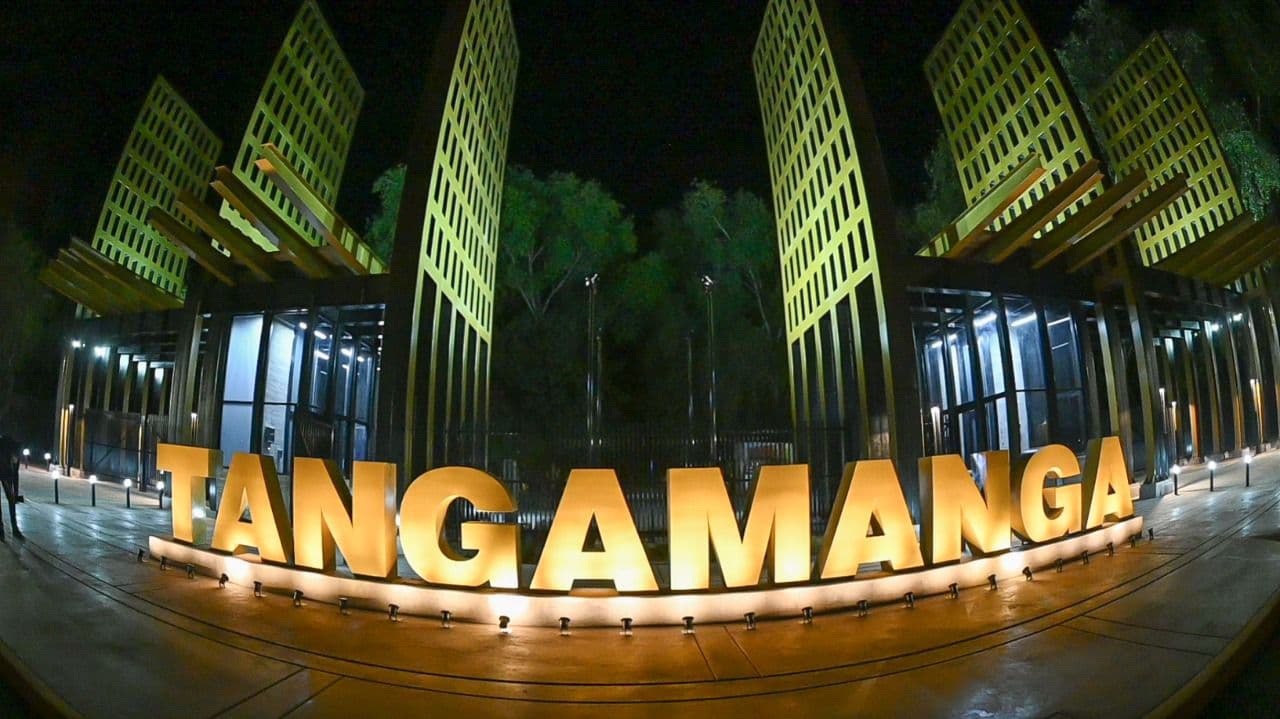
The Meaning of "Tangamanga"
The name "Tangamanga" comes from the Huachichil language, an indigenous group that once inhabited the region. It translates to "meeting place" or "place of gathering", reflecting the park's role as a central social and cultural hub for the community.
Historical Origin
The park was formed on the grounds of the old Hacienda de la Tenería, which dates back to 1609. The hacienda's main building is still preserved within the park, serving as a silent witness to over four centuries of Potosino history.
Creation and Development
The project's first phase began in 1982, when the land was expropriated and over a thousand trees were planted. The park was officially inaugurated in 1983 during the government of Prof. Carlos Jonguitud Barrios. In 1997, the government gave it the official name "Parque Carlos Jonguitud Barrios", although most people simply know it as Tangamanga Park.
National Importance
With an area of 420 hectares, Tangamanga Park I is positioned as the second largest urban park in Mexico, only surpassed by Bosque de Chapultepec in Mexico City, and one of the largest urban parks in the world. Its more than 1.8 million trees make it the most important green lung of San Luis Potosí, producing 800 tons of oxygen per year.
Main Attractions
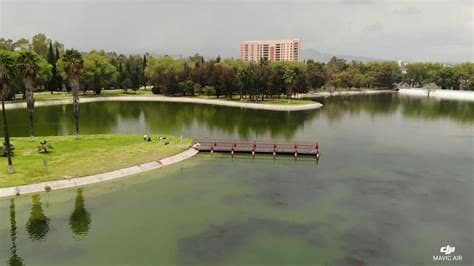
Natural Spaces
- Botanical garden with endemic and exotic species
- Artificial lake for boat rides
- Walking and cycling trails over 10 km long
- Picnic areas and grills
- Japanese Garden with traditional architecture
- Greenhouse with tropical plants
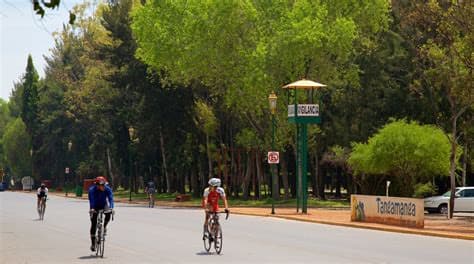
Sports Facilities
- Basketball, baseball, and tennis courts
- BMX dirt track
- Running tracks and exercise areas
- Children's playground area
Cultural Attractions
- Zoo temporarily closed for renovation; check CECURT before visiting.
- Planetarium with astronomical projections
- Science Museum with interactive exhibits
- Tangamanga EcoMuseum in historic tannery buildings
- Teatro Carlos Amador for concerts and events
- Tangamanga Splash - water park with slides and pools
Activities & Events

Sports
- Outdoor yoga classes
- Running and walking groups
- Zumba and dance classes
- Team sports practice
- Mountain biking and BMX
- Tennis and racquet sports
Culture
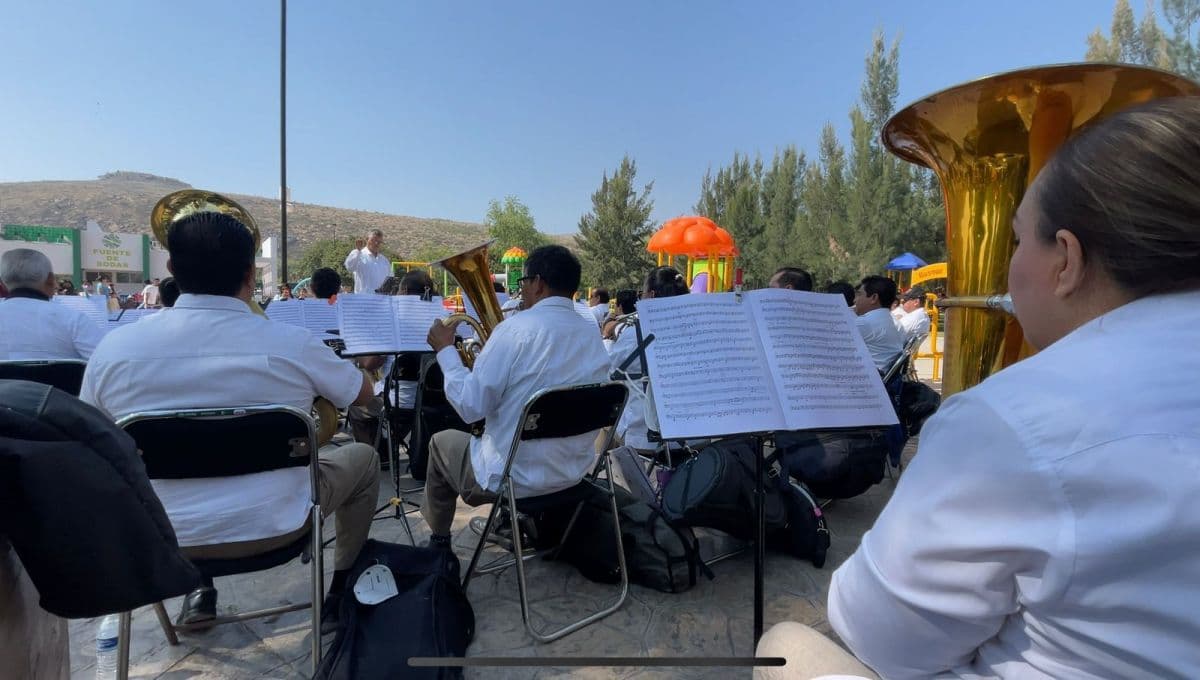
- Performances at Teatro Carlos Amador
- Concerts and dance shows
- Outdoor movie screenings
- Environmental education workshops
- Cultural and traditional festivals
- Planetarium and science museum visits

Family
- Children's playground area
- Boat rides on the lake
- Family walks and outdoor play
- Tangamanga Splash water park
- Family festivals and picnics
- Educational workshops for children
Zoo: temporarily closed
CECURT reports that the zoo is temporarily closed. Check the current service status before planning a visit.
Check official informationPlanetario
El planetario del Parque Tangamanga ofrece proyecciones astronómicas inmersivas en una cúpula de alta tecnología. Es ideal para escolares y familias interesadas en la astronomía.
Experiencias:
- •Proyecciones del sistema solar
- •Documentales espaciales
- •Talleres de astronomía para niños
- •Observaciones nocturnas especiales
Funciones
Horarios variables - consultar programación
Se recomienda reservar para grupos escolares
Museo de Ciencia
El Museo de Ciencia cuenta con exhibiciones interactivas que hacen del aprendizaje una experiencia divertida para todas las edades.
Salas:
- •Física y mecánica
- •Biología y ecología
- •Química experimental
- •Tecnología y robótica
Actividades
Talleres educativos los fines de semana
Experimentos en vivo
Tangamanga Splash - Parque Acuático
El parque acuático Tangamanga Splash es el lugar perfecto para refrescarse durante los días calurosos de San Luis Potosí. Cuenta con toboganes, albercas y áreas especiales para niños.
Atracciones:
- •Toboganes de alta velocidad
- •Albercas de olas
- •Área infantil con juegos acuáticos
- •Río lento para relajación
Información Importante
Temporada: Marzo a Octubre
Costo: Entrada separada del parque
Incluye: Vestidores y casilleros
Teatro Carlos Amador
El Teatro Carlos Amador es el principal foro cultural del Parque Tangamanga, con capacidad para más de 1,000 personas. Presenta una amplia variedad de eventos culturales durante todo el año.
Eventos:
- •Conciertos de música clásica y popular
- •Obras de teatro y ballet
- •Festivales culturales
- •Eventos comunitarios
Programación
Consulta la cartelera mensual en el sitio oficial del parque
Muchos eventos son gratuitos
EcoMuseo Tangamanga
Ubicado en los edificios históricos de la antigua Hacienda de la Tenería (1609), el EcoMuseo preserva la historia y el patrimonio cultural de la región.
Exhibiciones:
- •Historia de la Hacienda de la Tenería
- •Proceso tradicional de curtido de pieles
- •Vida en las haciendas potosinas
- •Arquitectura colonial preservada
Visitas
Entrada gratuita
Tours guiados disponibles
Perfecto para aprender sobre la historia local
Jardín Japonés
El Jardín Japonés es un oasis de tranquilidad con arquitectura tradicional japonesa, puentes ornamentales, estanques con carpas koi y vegetación cuidadosamente seleccionada.
Características:
- •Puentes tradicionales de madera
- •Estanque con carpas koi
- •Linternas de piedra (tōrō)
- •Plantas ornamentales asiáticas
Ideal Para
Fotografía
Meditación y relajación
Caminatas contemplativas
Jardín Botánico
El Jardín Botánico del Parque Tangamanga alberga una extraordinaria colección de especies endémicas del desierto mexicano y la región potosina, así como plantas exóticas de diversas partes del mundo.
Colecciones:
- •Cactáceas y suculentas del desierto potosino
- •Plantas medicinales tradicionales
- •Orquídeas y bromelias
- •Invernadero con plantas tropicales
Educación
Talleres de jardinería
Programas de conservación
Tours educativos para escuelas
Biodiversity & Nature
The park hosts an extraordinary diversity of flora and fauna. In its 420 hectares, more than 1.8 million native and exotic trees coexist, along with migratory and resident birds, as well as small mammals and reptiles. The botanical garden is especially important for the conservation of endemic species from the Potosino region and the Mexican desert.

Self-Sustainability
Tangamanga Park is a model of environmental sustainability
Water Treatment
Water treatment plants that allow water reuse for irrigation of all green areas
Compost Generation
Own production of organic compost to nourish the park's vegetation
Green Lung
Generation of 800 tons of oxygen per year thanks to its 1.8 million trees
Services
Visitor Tips
- Bring sunscreen, hat, and plenty of water
- Wear comfortable shoes for walking - the park is very large
- Arrive early on weekends to find good parking
- Check the Teatro Carlos Amador event calendar
- Visit the EcoMuseum to learn about the Hacienda de la Tenería history
- The park closes Monday afternoons - plan your visit accordingly
- Respect designated areas and wildlife
- Don't leave trash - help keep the city's green lung clean
Other Parks Nearby
Round out your visit with these other green spaces in San Luis Potosí.
🏃 Parque Tangamanga II
The sports park — archery, running, auto racing, pet zone.
🌳 Parque Bicentenario
Smaller urban park celebrating Mexico's bicentennial. Good for afternoon walks and family picnics.
Frequently Asked Questions about Parque Tangamanga
Is Parque Tangamanga free to enter?▼
What are the hours for Parque Tangamanga?▼
What can you do at Parque Tangamanga?▼
Is Parque Tangamanga safe?▼
How big is Parque Tangamanga compared to other parks?▼
When is the BMW Tangamanga Marathon?▼
Is there parking at Parque Tangamanga?▼
How do I get to Parque Tangamanga by public transit?▼
What can kids do at Parque Tangamanga?▼
What's the difference between Tangamanga I and Tangamanga II?▼
Is Parque Tangamanga bigger than Central Park?▼
How long does it take to visit Parque Tangamanga?▼
Are dogs allowed at Parque Tangamanga?▼
Can I bring food to Parque Tangamanga?▼
What is the best time to visit Parque Tangamanga?▼
Sources used on this page
- CECURT — official park operator (cecurt.slp.gob.mx)
- Gobierno de San Luis Potosí — municipal records
- INEGI 2020 Census — surrounding demographic data
- Maratón Tangamanga — official race organizer (maratontangamanga.com)
You might also like
Get the best of SLP in your inbox
Free events, new restaurants, updated guides — every week.
Stay in the Loop
Get weekly updates on new places, events, and expat tips delivered to your inbox.
We respect your privacy. Unsubscribe at any time.