Columbia men's hiking trail shoes
Trail-ready grip for Real de Catorce, Huasteca Potosina, and Sierra de San Miguelito.
$1,200–2,500 MXN
View on Mercado LibreAffiliate link

Quick Answer
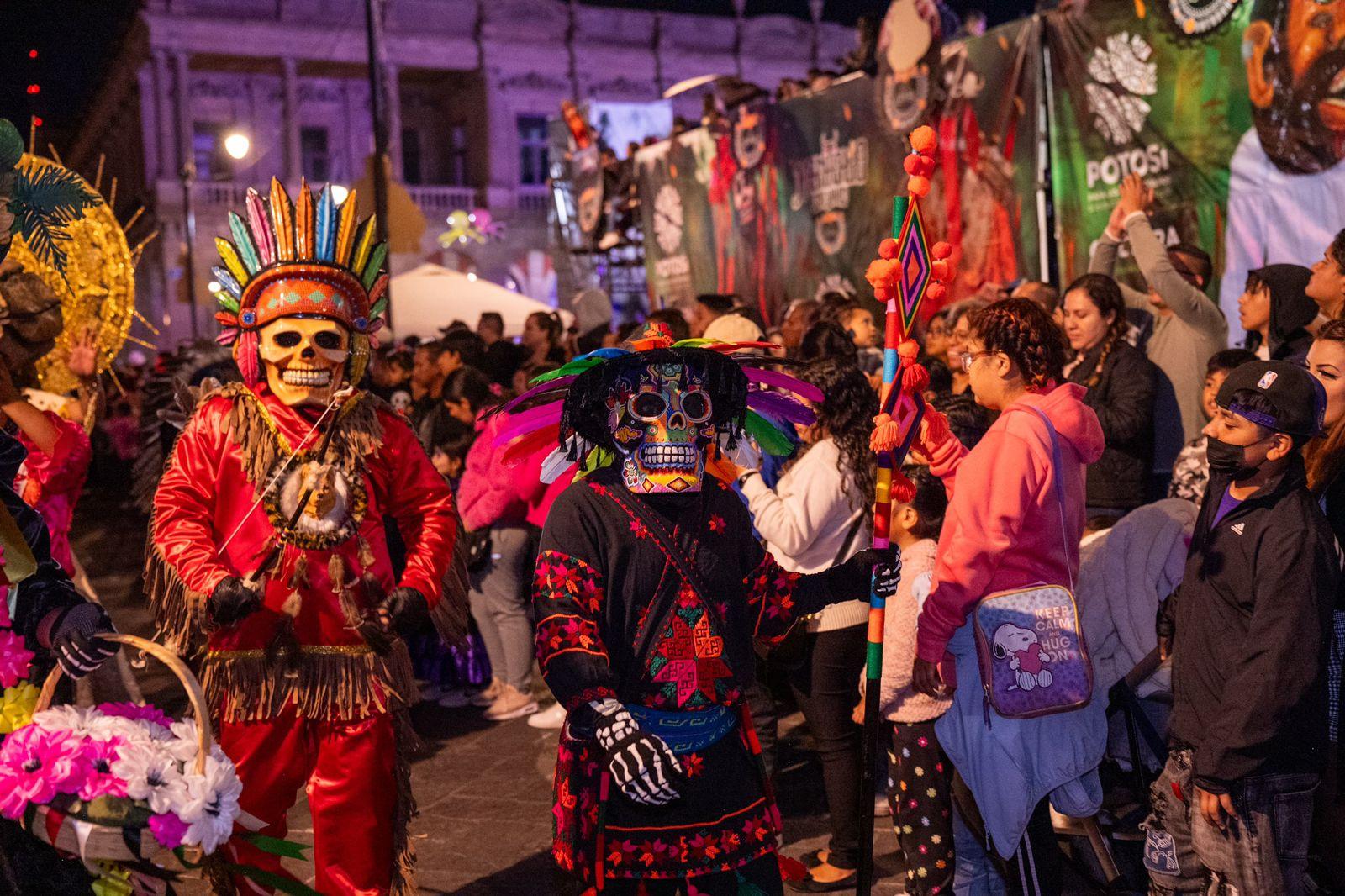
Xantolo is the Huasteca’s Day of the Dead — celebrated October 31 to November 2 in the green hills of the Huasteca Potosina by Nahua and Teenek communities. Expect marigold arches over home altars, masked huehue dance troupes moving village to village, and zacahuil, the region’s giant ceremonial tamal. It is a living family ritual: visitors are guests, not the audience.
Mexico’s Day of the Dead has many faces, but few are as intense — or as intact — as Xantolo, the Huasteca’s version. The name comes from sanctorum, filtered through Nahuatl. For Nahua and Teenek families in the hills of the Huasteca Potosina, these are the days when the souls come home, and everything — the arch, the food, the masks, the music — exists to receive them well.
The core runs October 31 to November 2, though the ritual cycle opens as early as September 29 (San Miguel Arcángel) and closes with a final offering on November 30. Homes build altar-arches of cempasúchil marigolds and sugarcane over the family ofrenda, laying paths of petals so the souls find their way. Outside, the huehues — masked dance troupes, also called comparsas or viejadas — move through the streets to violin and jarana huasteca. The carved wooden masks aren’t costume for its own sake: dancing masked is said to confuse death itself, so it can’t take the living. UNESCO documents the tradition as part of Mexico’s indigenous festivities dedicated to the dead, inscribed on the Intangible Cultural Heritage list in 2008, and San Luis Potosí declared it state cultural patrimony in 2013.
Xantolo is strongest along the so-called Ruta Xantolo: Tamazunchale, Axtla de Terrazas, Xilitla, Aquismón, Tancanhuitz, Ciudad Valles and a dozen more Huasteca municipalities. Every town has its own flavor — mask styles, dance characters like the "Comanche", the days when comparsas peak. If you’re basing yourself for the trip, our Huasteca Potosina itinerary covers logistics, and the Xilitla guide pairs naturally with the season. Official 2026 municipal programs are typically announced between late August and October — check municipal pages before traveling.
The season’s centerpiece is zacahuil — a ceremonial tamal that can stretch past a meter and weigh 20–50 kg: coarse-ground masa, pork or turkey, chile adobo, wrapped in banana or papatla leaves and cooked overnight in a wood-fired oven. It’s made as an offering first, a meal second. Around it: bolín, chilpan tamales, pan de muerto shared at the altar, café de olla and atole. On market Sundays in Ciudad Valles and Xilitla you can find zacahuil year-round, but during Xantolo it’s everywhere and it means more.
This is the part that matters. Xantolo is not a festival staged for tourism — it’s a family and community ritual that happens to be extraordinary to witness. The working rule: you are a guest, not the audience. Ask before photographing altars or masked dancers; don’t step into cemeteries during family velaciones uninvited; buy food and crafts directly from the families making them. If a comparsa invites you to dance — and they often do — that’s the moment to say yes.
The core days are October 31 to November 2 every year, with a broader ritual cycle that opens September 29 and closes November 30 with a final offering. Municipal event programs are announced in the weeks before.
Across the Huasteca Potosina: Tamazunchale, Axtla de Terrazas, Xilitla, Aquismón, Tancanhuitz, Ciudad Valles and other municipalities in the region — each with its own mask styles and comparsa traditions.
The Huasteca’s giant ceremonial tamal: coarse corn masa with pork or turkey in chile adobo, wrapped in banana leaves and wood-fire cooked overnight. During Xantolo it is prepared first as an offering for the returning souls.
Yes, respectfully. It is a living family ritual, not a staged festival: ask before photographing, stay out of family velaciones unless invited, and buy from local cooks and artisans. Treat yourself as a guest.
Gear and home items our community recommends for life and adventure in SLP.
Trail-ready grip for Real de Catorce, Huasteca Potosina, and Sierra de San Miguelito.
$1,200–2,500 MXN
View on Mercado LibreAffiliate link
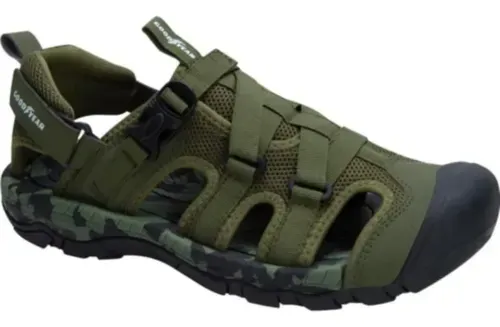
Grip wet stone at Media Luna, Puente de Dios, and Huasteca waterfalls without slipping.
$400–800 MXN
View on Mercado LibreAffiliate link
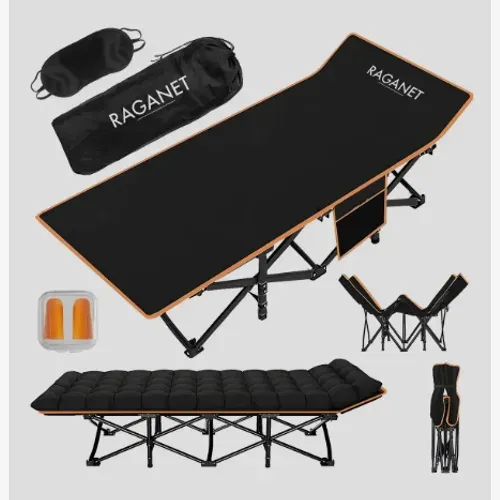
Comfortable rest for camping in the Huasteca or Real de Catorce — folds down to fit in your trunk.
$780–1,400 MXN
View on Mercado LibreAffiliate link
Get practical tips to navigate the city, weekly events, and useful local info delivered to your inbox.
Join our community. No spam, ever.
Free events, new restaurants, updated guides — every week.
Get weekly updates on new places, events, and expat tips delivered to your inbox.
We respect your privacy. Unsubscribe at any time.