

Music & Dance Traditions
Reviewed on
Discover the vibrant sounds and movements that define Mexican culture, from mariachi serenades to regional huapango
Musical Traditions of Mexico
Explore the diverse musical styles that bring Mexican culture to life
Mariachi
The iconic sound of Mexico, featuring trumpets, violins, and guitars
Origins: Jalisco, 18th century
Characteristics
- •Typically 6-8 musicians in traditional charro suits
- •Features trumpets, violins, guitars, vihuela, and guitarrón
- •Songs about love, patriotism, and Mexican pride
- •Performed at celebrations, weddings, and serenades
Cultural Etiquette
- •It's customary to tip mariachis generously after a song
- •You can request specific songs - classics like 'Cielito Lindo' or 'La Bamba'
- •Traditional to hire mariachis for serenades (las mañanitas for birthdays)
- •Show respect during Mexican national anthem performances
Where to Experience
Where to See Live Music in San Luis Potosí
From jazz-friendly restaurants and bohemian trova bars to a landmark opera house and the soul of the Huasteca — real venues where the music happens.
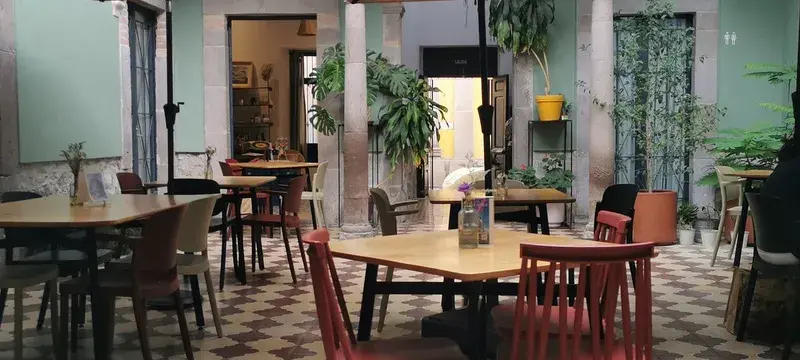
Chau! Resto
A contemporary Mexican kitchen and bar in the heart of downtown, on Agustín de Iturbide. Evenings bring live music and DJ sets, and its cultural programming leans into jazz nights and rotating art shows — a relaxed spot to eat well and catch music without a formal concert setting.

Estación Wadley
One of the city's most active independent concert venues, with dozens of shows on its calendar. The bookings run to indie, rock, ska and alternative acts from across Mexico — the place to go when you want a real gig with a stage and a crowd rather than background music.
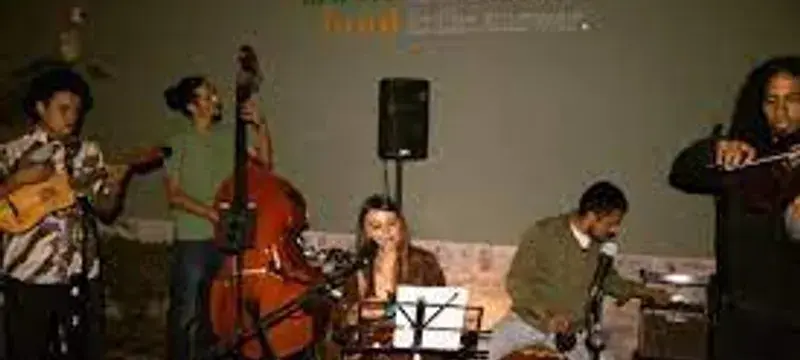
Café Bar 500 Noches
A bohemian café-bar built around Ibero-American singer-songwriter culture, decorated with rescued antiques and nods to the region's troubadours. It leans into trova and cantautor nights — think Joaquín Sabina tributes and acoustic sets — with live music a regular part of the room rather than an occasional event.
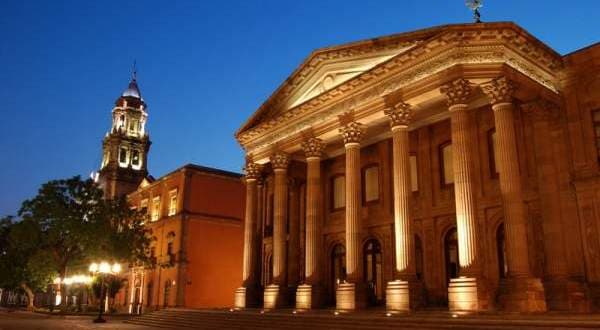
Teatro de la Paz
The city's landmark neoclassical theater, opened in 1894 and considered one of Mexico's most important. It is the home stage of the Orquesta Sinfónica de San Luis Potosí (OSSLP) and hosts opera, classical ballet and concert seasons, with adjoining halls for chamber recitals and exhibitions.
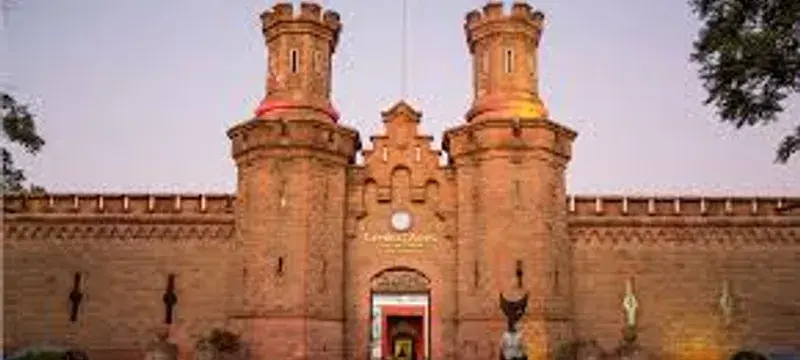
Centro de las Artes Centenario
A sprawling state arts center — housed in a converted historic penitentiary — with a concert hall, several theaters and more than twenty music classrooms. Its calendar mixes concerts, recitals, a resident jazz ensemble and festivals, making it a reliable place to find programmed live music year-round.
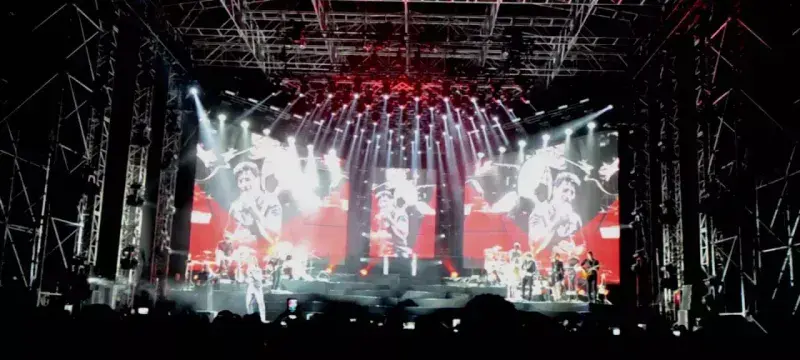
Traditional & Huasteca Foros
Huapango and son huasteco — played by a trio of jarana, quinta huapanguera and violin with falsetto singing and zapateado — are the soul of the region. In the capital you'll catch it at the Casa de la Cultura, plazas around the Centro during cultural programming, and at festivals; the deepest experience is in the Huasteca Potosina itself (Ciudad Valles, Xilitla, Tamazunchale), where fandangos and huapangueadas are a living tradition, especially during Xantolo.
Programming and schedules change often — check each venue's official page for current listings before you go.
Traditional Mexican Dances
Discover the folk dances that tell stories of Mexico's rich heritage and regional identity
Jarabe Tapatío
Mexican Hat Dance
Mexico's national folk dance, recognized worldwide
Traditional Attire
Women in colorful china poblana dresses, men in charro suits
Cultural Significance
Courtship dance symbolizing Mexican identity and pride
Danza de los Viejitos
Dance of the Little Old Men
Playful dance from Michoacán featuring masked dancers
Traditional Attire
Wooden masks, traditional clothing, and walking sticks
Cultural Significance
Satirizes old age while celebrating wisdom and vitality
Huapango Dance
Zapateado Huasteco
Traditional dance from the Huasteca region with rhythmic footwork
Traditional Attire
White traditional clothing, often with colorful embroidery
Cultural Significance
Regional identity and indigenous heritage celebration
Danza de los Concheros
Aztec Dance
Pre-Hispanic ceremonial dance with indigenous roots
Traditional Attire
Feathered headdresses, traditional indigenous costumes
Cultural Significance
Spiritual connection to indigenous ancestors and traditions
How to Enjoy Music & Dance in SLP
Practical tips for experiencing traditional music and dance as an expat
Where to Find It
- •Plaza de Armas on weekend evenings for mariachi
- •Traditional restaurants often have live music
- •Casa de la Cultura for cultural performances
- •Annual festivals showcase regional music
Participation Tips
- •Don't be shy - clapping along is encouraged
- •Dancing is social - join in even as a beginner
- •Tip musicians generously if they take requests
- •Ask about dance lessons at cultural centers
Cultural Respect
- •Show respect during traditional ceremonies
- •Ask before taking photos of performers
- •Appreciate the cultural significance, not just entertainment
- •Support local musicians and dancers
Ready to Experience Traditional Music?
Discover live performances, cultural events, and traditional celebrations in San Luis Potosí
Frequently Asked Questions
What is Huapango?
Huapango is the traditional music of the Huasteca Potosina region — characterized by violin, jarana, and quinta huapanguera (guitars), with falsetto singing and zapateado (foot stomping dance). Xilitla and Ciudad Valles host annual Huapango festivals.
Where can I see traditional dance in San Luis Potosí?
At the Festival de Primavera (April), FENAPO (August), and cultural events at Centro de las Artes. During Xantolo (November), the Huasteca comes alive with traditional dances like the Danza de los Huehues and Danza de los Viejitos.
What is the Danza de los Huehues?
The Danza de los Huehues (Dance of the Old Ones) is performed during Xantolo celebrations in the Huasteca region. Dancers wear carved wooden masks, costumes representing old men and women, and perform comedic, satirical dances honoring the dead.
Where can I see live music in San Luis Potosí city?
The capital has options for every taste: Estación Wadley for indie, rock and ska gigs; Chau! Resto in the Centro for live music and DJ evenings; Café Bar 500 Noches for bohemian trova and singer-songwriter nights; the Teatro de la Paz for the Orquesta Sinfónica de San Luis Potosí, opera and ballet; and the Centro de las Artes Centenario for concerts, recitals and its resident jazz ensemble.
What is son huasteco?
Son huasteco (widely known as huapango) is the traditional trio music of the Huasteca — one musician on the jarana huasteca, one on the quinta huapanguera and one on violin, with high falsetto singing and improvised verses. Its two signatures are the ornamented, improvised violin line and the falsetto voice, and it is almost always paired with zapateado dancing on a wooden platform.
You might also like
Get the best of SLP in your inbox
Free events, new restaurants, updated guides — every week.
最新情報をキャッチ
新しい場所、イベント、駐在員向けヒントの週刊アップデートを受信箱にお届けします。
プライバシーを尊重します。いつでも配信停止できます。