
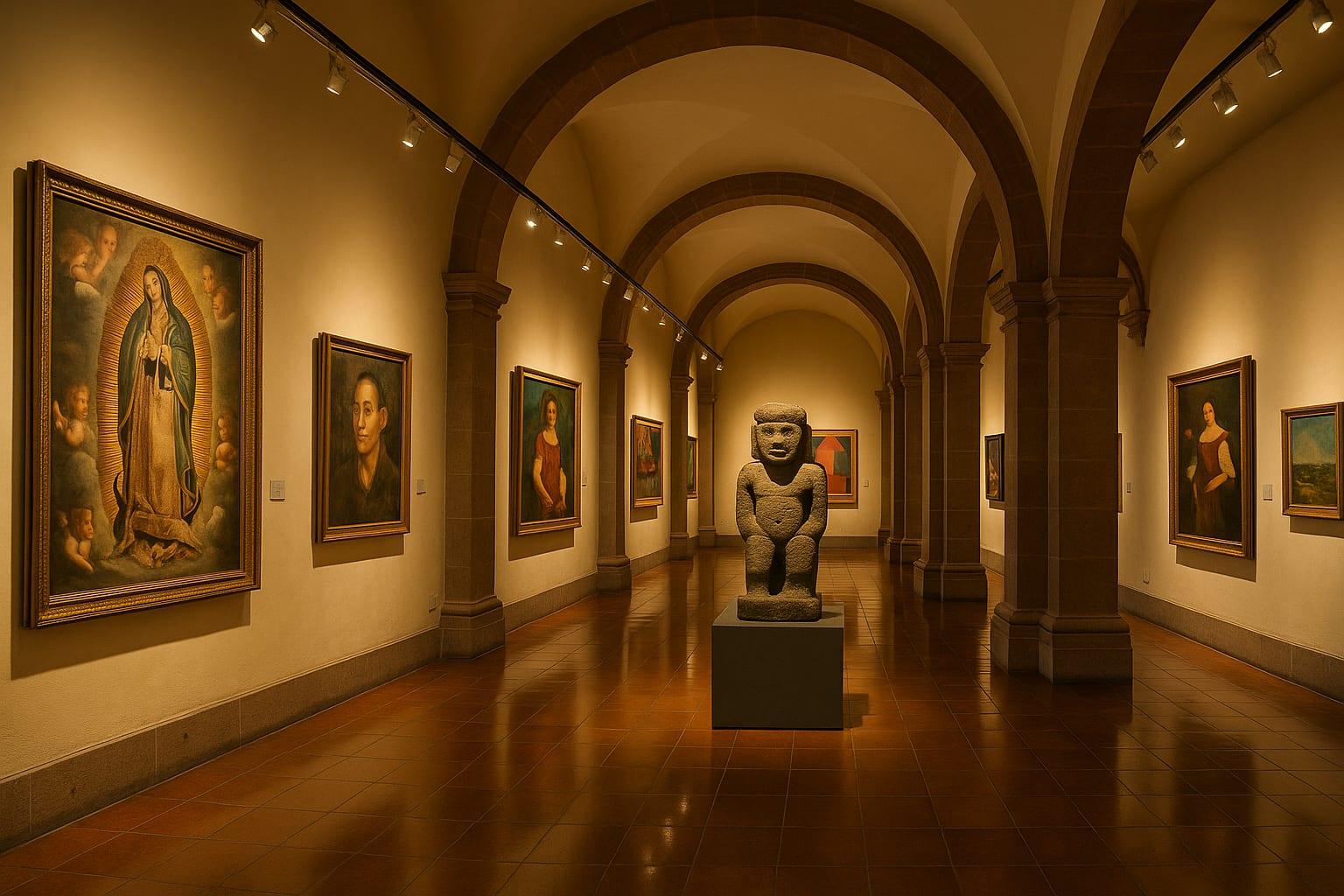
サン・ルイス・ポトシに眠る3000年の芸術

早わかり
San Luis Potosí の芸術は3,000年以上に及び、Tamtocの70超の建造物や西暦900〜1200年ごろの「ワステカの若者像」、400年以上続くSanta Maria del Rioのレボソ伝統が柱です。州内では503人の登録アーティスト(SIC)が活動し、Tamtoc考古地区やCentro de las Artesなどでその系譜に出会えます。
📑 この特集で扱う内容
推定読了時間:18分
📝 注記:この記事は、先スペイン期から州のアイデンティティを形づくってきた工芸に至るまで、ポトシ芸術の伝統的な芸術と歴史的なルーツに焦点を当てています。近日中に、San Luis Potosí の現在の現代アートシーン——ギャラリー、コレクティブ、新進のアーティスト、そして今日芸術が息づく場——を掘り下げた特集を公開する予定です。
San Luis Potosí は、メキシコで最も豊かでありながら最も知られていない芸術的遺産のひとつを擁しています。2,500年以上前にさかのぼる壮大なワステカ彫刻から、織り上げるのに一年を要する繊細なレボソ、そして Wirikuta で花開く聖なる Wixárika の芸術まで——ポトシの芸術は、継承と抵抗、そしてなみはずれた創造性の物語です。
これは表面的な観光案内ではありません。ポトシの大地に生まれ、あるいは深く根ざした三千年にわたる芸術表現への、深い没入です。ここでは、San Luis Potosí にアイデンティティを与えてきた伝統に出会えます——Tamuín でワステカの若者像を彫った無名の彫刻家たちから、国内の賞を受けたレボソ織りの名匠たち、宇宙を語る Teenek の刺繍、そして Wirikuta にその最も聖なる場を見いだす Wixárika のビーズ細工の芸術まで。
3,000+
芸術の歴史の年数
503
登録アーティスト数(SIC)
70+
Tamtoc の建造物数
400+
レボソ伝統の年数
1. 先スペイン期の芸術:ワステカ人と彫刻の名匠たち
スペインによる征服以前、ポトシの地には、なみはずれた芸術的遺産を残した文明が暮らしていました
現在 San Luis Potosí として知られる地域には、スペイン人の到来以前、さまざまな先住民文化が暮らしていました。先住民族国立研究所(INPI)によれば、最も重要な集団のなかにはワステカ人(Teenek)、チチメカ人、そしてPames(Xi'oi)がいました。
これらすべての文化のなかでも、最も目を見張る彫刻の伝統を築いたのがワステカ人でした。他のメソアメリカ文化とは異なり、ワステカ人は砂岩を彫ることに長け、細身で緻密な彫像を生み出しました。それらは今日、メキシコ先スペイン期芸術の傑作とみなされています。
ワステカ芸術の特徴
「彫刻はワステカ人の最も印象的な表現手段です。その作品はきわめて独特で、他のメソアメリカ文化とは大きく異なる特徴を持っているからです。彫像のほとんどは、石英の砂からなる堆積岩である砂岩で作られています。」
技法と素材
ワステカの職人たちは、砂岩、金、銅、翡翠、オニキス、黒曜石、陶器といったさまざまな素材を用いて優れた作品を作りました。また、アマテ紙(イチジクの樹皮)を漉き、彫像に永遠にとどめられることになる、身体装飾と瘢痕文身(スカリフィケーション)の独特な伝統を発展させました。
Huasteca Potosina に位置するSierra de Tanchipaは、砂岩の天然の採石場としての役割を果たしました。この原材料は、支配者や女性祭司の彫像、そして共同体にとって重要な出来事を示すさまざまな公共の石碑を彫るために、職人たちによって用いられました。
ワステカの絵画
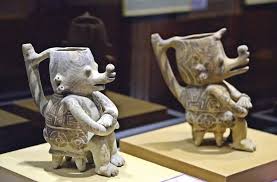
ワステカの絵画は、主に彼らが作った陶器を通じて知られています。壺や器には、粘土の上に黒や赤で縁取られた、単純化され抽象化された文様が描かれています。また、San Luis Potosí にある Taquín の壁画のように、壁画の痕跡も残されており、これはこの文化から今に伝わる数少ない絵画作例のひとつです。
2. Tamtoc:ワステカ芸術の都
メキシコ北西部で最も重要な記念碑的中心地であり、最も象徴的な彫像の生まれた地
Tamtoc(Tamohi とも呼ばれます)は、San Luis Potosí 州 Tamuin 市にある考古遺跡です。国立人類学歴史学研究所(INAH)によれば、地域的・軍事的・商業的な重要性から、Huasteca 地方の先スペイン期の都とみなされています。
Tamtoc に関する主要データ
紀元前600年
最初期の居住
1,400+
居住が続いた年数
95 ha
考古地区の面積
3
主要なモニュメント
ワステカの若者像:先スペイン期芸術の傑作
ワステカの若者像(Huastec Adolescent)は、おそらくこの地方で最も有名な彫像です——精巧な身体の瘢痕文身と円錐形の頭飾りをまとった、等身大の砂岩の青年像です。西暦900〜1200年ごろに作られ、風の神 Ehecatl としての役割を担う神 Quetzalcoatl を表しているとされます。原作はメキシコシティの国立人類学博物館に収蔵されていますが、複製は San Luis Potosí 各地で見ることができます。
Tamtoc のヴィーナス(瘢痕文身の女性)
2005年に発見されたTamtoc のヴィーナス(瘢痕文身の女性としても知られます)は、重さおよそ4トンの記念碑的な彫像です。全身を覆う複雑な瘢痕文身の文様をもつ女性像を表しており、豊穣と生と死の循環を象徴していると考えられています。これは21世紀のメキシコにおける最も重要な考古学的発見のひとつです。
3. 織物の芸術:Santa Maria del Rio のレボソ
メキシコを象徴する織りのショールであるレボソ(rebozo)は、San Luis Potosí 市の南約40kmにある町Santa Maria del Rioで、その最も洗練された姿に達します。ここで作られるレボソはメキシコ随一とされ、世代を超えて受け継がれてきた技法により、腰機(こしばた)で手織りされます。
レボソ織りの名匠たち
一枚のレボソを仕上げるには2〜6か月を要することもあります。最上級の作例は絹糸を用い、複雑な文様に手で結ばれた独特のrapacejo(房飾り)を特徴とします。Santa Maria del Rio の名匠たちは、メキシコ国立工芸振興基金(FONART)によって、生きた文化的財産として認められてきました。
七つの伝統的な意匠
伝統的なポトシのレボソは、七つの古典的な意匠に従います:de bolita(点の入ったもの)、de labor(凝った文様の入ったもの)、de aroma(香草で香りづけしたもの)、calado(透かし織り)、jaspeado(絞り染め)、empuntado(房付きの先端をもつもの)、そしてliso(無地)です。それぞれの意匠が文化的な意味を担い、特有の織り技法を必要とします。
4. 先住民の工芸:Pames、Teenek、Wixarika
Pame(Xi'oi)の工芸
Sierra Gorda の Pame の人々は、美しいヤシ編みを手がけ、かご、帽子、敷物、人形などを作ります。また、リュウゼツラン繊維を用いてmorral(肩掛けバッグ)を作り、彼らの宇宙観を表す幾何学文様で飾ります。
Teenek(ワステカ)の工芸
Teenek の人々は、衣服や儀礼用の装束に花や動物のモチーフをあしらった、なみはずれた刺繍を生み出します。彼らのpetob(儀礼用の頭飾り)は、繻子のリボンとビーズで飾られた、織物芸術の傑作です。
Wixarika(ウイチョル)の芸術
Wixarika の人々は、蜜蝋に押し込んだ小さなガラスビーズを用いて、息をのむような糸絵(nierikate)とビーズ細工を作ります。そのサイケデリックで色彩豊かな意匠は、聖なる幻視やペヨーテの儀式、そして自然界を、なみはずれた緻密さで描き出します。
5. 20世紀のポトシの芸術家たち
San Luis Potosí は、メキシコの20世紀の芸術運動に貢献した、注目すべき芸術家を幾人も輩出しました。
Rosa Luz Marroquin(Villasuso)
San Luis Potosí における抽象表現主義の先駆者である Rosa Luz は、メキシコシティとパリで学びました。その作品は、メキシコの壁画運動の伝統と国際的な現代美術との橋渡しをしています。彼女は San Luis Potosí 出身の最も重要な女性画家とみなされています。
「移行現象(Transition Phenomenon)」
20世紀半ばのポトシの芸術家たちの一世代は、メキシコ壁画運動とヨーロッパの前衛運動の双方に影響を受けながら、アカデミックな絵画と近代的な抽象との間に独特の移行を生み出しました。
San Luis Potosí の壁画運動
壁画運動の震源地はメキシコシティでしたが、San Luis Potosí もまた独自の壁画の伝統を育みました。市内各地の公共建築、学校、官庁には、地域の歴史、先住民文化、社会的なテーマを描いた壁画が見られます。Palacio de Gobierno には、州の歴史を描いた注目すべき壁画が収められています。
6. 現代美術:新しい世代
ポトシの芸術家たちの新しい世代が、San Luis Potosí を現代美術の地図に刻みつつあります。Centro de las Artes、独立系のギャラリー、大学の美術課程を含む、市の成長する文化的インフラが、新進の才能にとって肥沃な土壌を提供しています。
美術教育
Centro de las Artes、San Luis Potosí 自治大学(UASLP)、そしてさまざまな私立のアカデミーが、視覚芸術、デザイン、マルチメディアの正規の教育を提供しています。これらの機関は、国内外で作品を発表する芸術家を輩出してきました。
ストリートアートと現代の壁画
San Luis Potosí は、ストリートアートと都市の壁画を受け入れてきました。Barrio de Santiago のような地区や Centro de las Artes 周辺には、地元および海外のアーティストによる印象的な壁画があり、伝統的なメキシコの図像と現代的なスタイルを融合させています。
7. 今日ポトシの芸術に出会える場所
Museo Regional Potosino
かつてのフランシスコ会修道院。Capilla de Aranzazu と先スペイン期のコレクションを収蔵
所在地:Galeana 450, Centro | 入場料:85メキシコペソ
Centro de las Artes
かつての刑務所が、ギャラリーと工房を備えた世界水準の芸術センターに生まれ変わった施設
所在地:Calzada de Guadalupe 705 | 入場料:無料
Museo Federico Silva
美しく修復された植民地時代の建物にある現代彫刻の美術館
所在地:Alvaro Obregon 80, Centro | 入場料:40メキシコペソ
Museo Leonora Carrington
伝説的な英国系メキシコ人アーティストによるシュルレアリスムの彫刻と絵画
所在地:Villerias, Centro | 入場料:無料
Museo Nacional de la Mascara
メキシコ各地から集められた1,300点以上の儀礼用の仮面
所在地:Villerias 2, Centro | 入場料:30メキシコペソ
Tamtoc 考古地区
記念碑的な彫像が残る先スペイン期のワステカの都
所在地:Tamuin, SLP(市内から約5時間) | 入場料:85メキシコペソ
おわりに
Tamtoc の記念碑的な彫像から Santa Maria del Rio の繊細な絹のレボソまで、Wixarika のサイケデリックな糸絵から Centro de las Artes の前衛的なインスタレーションまで、ポトシの芸術は途切れることのない三千年の創造性にわたって広がっています。
San Luis Potosí は、単に芸術のある都市ではありません——それは芸術によってつくられた都市です。あらゆる教会のファサード、あらゆる織られたレボソ、あらゆる美術館のギャラリーが、先住民の伝統、植民地時代の壮麗さ、そして現代のヴィジョンが、なみはずれた何かへと収斂する地域の物語を語っています。
もっと知りたいですか?
私たちのガイドと地元のおすすめを通じて、San Luis Potosí の豊かな芸術的遺産を探索してみましょう。
Tags
You might also like

この記事を楽しんでいただけましたか?
街をナビゲートするための実用的なヒント、週間イベント、便利な地元情報を受信箱にお届けします。
コミュニティに参加。スパムは絶対にありません。
You might also like
Get the best of SLP in your inbox
Free events, new restaurants, updated guides — every week.
最新情報をキャッチ
新しい場所、イベント、駐在員向けヒントの週刊アップデートを受信箱にお届けします。
プライバシーを尊重します。いつでも配信停止できます。