Columbia Herren-Wanderschuhe
Zuverlässiger Grip für Real de Catorce, Huasteca Potosina und Sierra de San Miguelito.
$1,200–2,500 MXN
Auf Mercado Libre ansehenAffiliate-Link



Kurzantwort
Las Pozas ist Edward James’ surrealistischer Dschungelgarten oberhalb von Xilitla: 27 katalogisierte Betonbauten auf 9 Hektar, gebaut 1962–1984 für über 5 Mio. US-Dollar. 2026 kostet der Eintritt MX$180 plus Führung (MX$30/60), nur mit Online-Reservierung; dienstags geschlossen.
In diesem Leitfaden
Fakten geprüft im Juli 2026 · Quellen am Ende · Teil unserer Huasteca-Potosina-Reiseroute
Tief im Nebelwald im Osten von San Luis Potosí verbrachte ein britischer Aristokrat zwei Jahrzehnte und über fünf Millionen Dollar damit, einen surrealistischen Traum aus Beton zu errichten. Las Pozas – Treppen, die ins Nichts führen, Blumen höher als Häuser, ein Palast, der für niemanden bestimmt ist – ist der seltsamste und fotogenste Ort Mexikos, den Sie um 9 Uhr morgens noch fast für sich allein haben können. Hier ist die ganze Geschichte, dazu alles, was Sie für einen Besuch im Jahr 2026 brauchen.
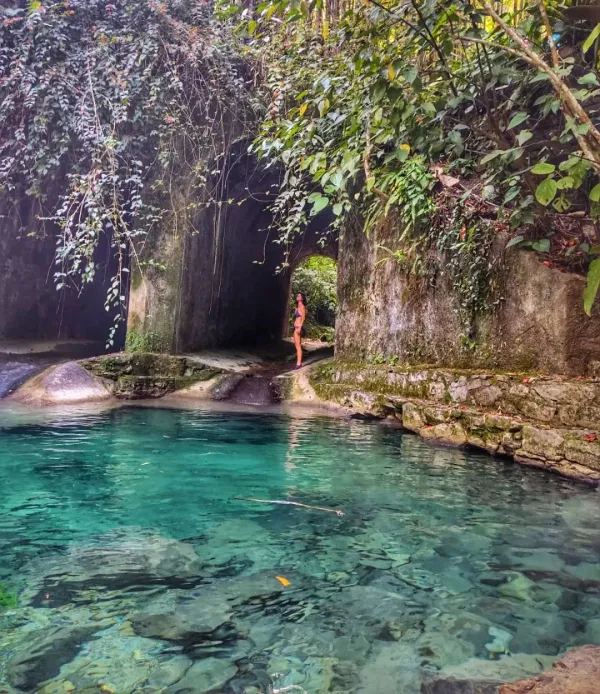
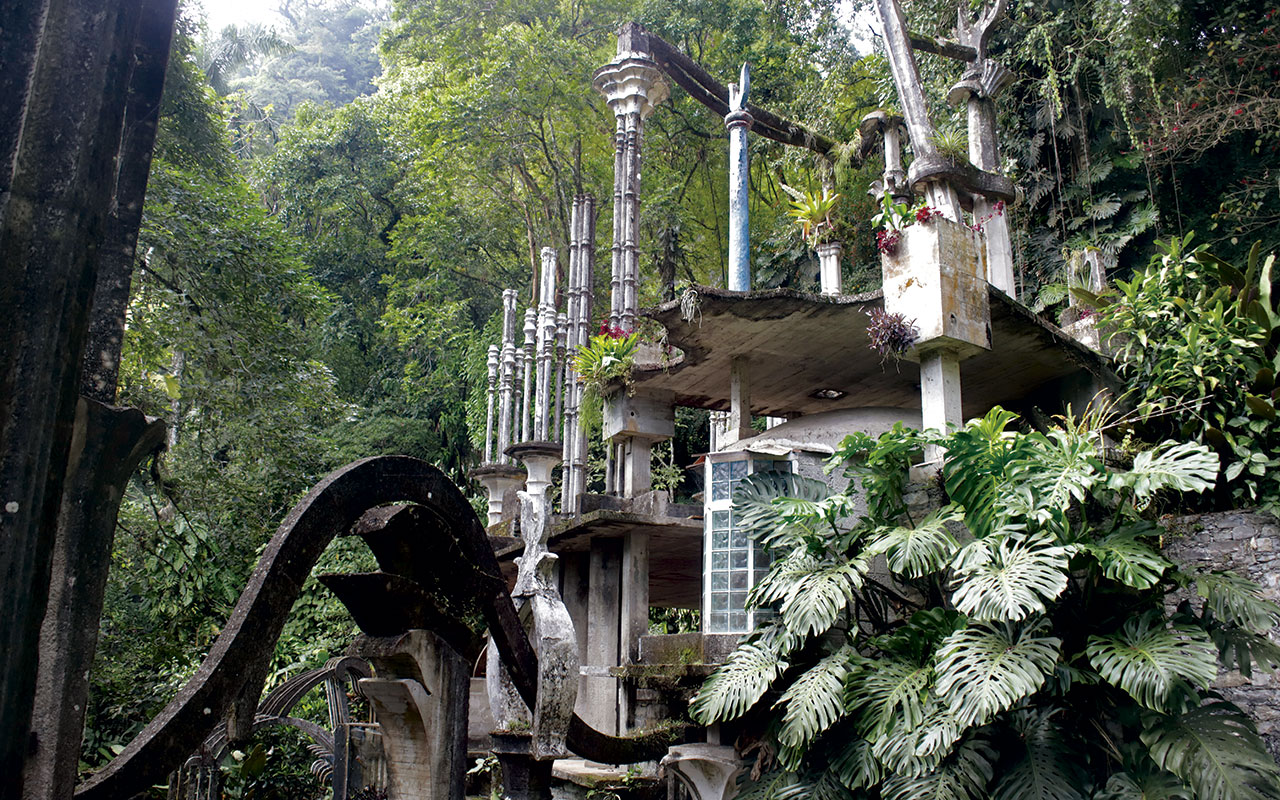
Las Pozas ist der surrealistische Skulpturengarten, den Edward James zwischen 1962 und 1984 im Dschungel oberhalb von Xilitla anlegte, einem Pueblo Mágico in der Huasteca Potosina. Rund drei Dutzend monumentale Betonbauten (offiziell katalogisiert die Anlage 27) verteilen sich über 9 Hektar Regenwald, Wasserfälle und natürliche Becken auf über 600 m Höhe.
Edward Frank Willis James (1907–1984) wuchs auf einem englischen Landgut von 6.000 Acres auf, besuchte Eton und Oxford und erbte in jungen Jahren ein Bergbauvermögen. Der gesellschaftliche Klatsch raunte – und James dementierte es augenzwinkernd nie –, er sei der uneheliche Enkel von König Edward VII. Was belegt ist, ist noch seltsamer als das Gerücht: Er wurde einer der bedeutendsten Förderer, die der Surrealismus je hatte.
Mitte der 1940er-Jahre zog es James von New Mexico nach Mexiko. In Cuernavaca engagierte er Plutarco Gastélum, einen Yaqui-Führer aus Sonora, und im November 1945 erreichten die beiden Xilitla, angelockt von Berichten über spektakuläre wilde Orchideen. Wie James es gern erzählte, umhüllte eine Wolke von Schmetterlingen seinen Badegefährten an einem Dschungelbecken – und er deutete es als Zeichen. 1947 kaufte er die Kaffeeplantage von Las Pozas.
Gastélum wurde Bauleiter des Projekts und James' lebenslanger Anker in Mexiko. Er zog seine Familie in El Castillo groß, dem gotisch-fantastischen Haus, das er im Ort baute – wo „Onkel Edward“ jahrzehntelang Zimmer behielt und wo Sie heute übernachten können (heute die Posada El Castillo).
Fünfzehn Jahre lang war Las Pozas vor allem eine Orchideenplantage – James zog Tausende von ihnen und hielt exotische Tiere (Hirsche, Flamingos und, berühmt, Schlangen). Dann, 1962, tötete ein beispielloser Frost die Orchideensammlung über Nacht.
James' Antwort prägt den Ort: Er beschloss, Blumen zu bauen, die niemals sterben könnten – aus Beton. Von 1962 bis zu seinem Tod 1984 gossen Trupps einheimischer Maurer, Zimmerleute und Schmiede – über 150 Arbeiter im Laufe des Projekts, wobei der Zimmermann José Aguilar die Holzformen schnitzte – eine Fantasie aus Säulen in Form von Bambus und Orchideen, Toren, Aquädukten, Wendeltreppen und Türmen zwischen den Wasserfällen.
Der Preis eines Traums: Der Bau kostete über 5 Millionen US-Dollar, die James größtenteils durch die Versteigerung seiner surrealistischen Kunstsammlung aufbrachte – die Dalís und Magrittes gewissermaßen gegen Beton im Dschungel getauscht. Einen Turm nannte er „the Tower of Hope“ und wollte darin wohnen. Er vollendete ihn nie; als er 1984 starb, brach der Bau mitten im Gießen ab, und mehrere Bauten verharren genau dort, wo die Arbeiter sie verlassen haben.
Der geführte Rundgang (~1,5 Stunden, Gruppen von max. 25) windet sich bergauf an den Höhepunkten vorbei. Die Namen sind hier wichtig – James betitelte seine Follies wie Gedichte:
Das Wahrzeichen der Anlage – nach Jahrzehnten der Dschungelfeuchtigkeit 2012–2013 mit Hilfe des World Monuments Fund restauriert.
Eine 20 Meter hohe Spirale aus orchideenförmigen Säulen, die in den freien Himmel steigt und einfach … endet. Der meistfotografierte Ort des Gartens.
Auf einem der höchsten Punkte mit der besten Aussicht – das Haus, das James für sich selbst vorsah und nie bezog.
… und Don Eduardo's Cabin, die Hütte aus Holz und Bambus, in der James tatsächlich zwischen seinen Hausschlangen lebte, restauriert vom World Monuments Fund.
Unter allem liegen die pozas selbst – die neun abgestuften Wasserfallbecken, die dem Ort seinen Namen gaben. Sie können sie von den Wegen aus fotografieren, doch Baden ist nicht mehr gestattet.
Als James 1984 starb, ging das Land an Plutarco Gastélum über, der jeden Bau einstellte. Anfang der 1990er-Jahre öffnete der Garten informell für Besucher. 2007 kauften die Fundación Pedro y Elena Hernández, CEMEX und die Landesregierung von San Luis Potosí die Anlage für rund 2,2 Mio. US$ und gründeten Fondo Xilitla, den Trust, der sie heute verwaltet.
Die Ehrungen häuften sich: Kulturerbe des Bundesstaates (2006), Mexikos UNESCO-Welterbe-Vorschlagsliste (2009), der World Monuments Fund Watch (2010) und Künstlerisches Monument der Nation (2012) – eine Auszeichnung, die Stätten des 20. Jahrhunderts nur selten zuteilwird. Die Konservierung ist ein Dauerkampf (Beton + Dschungelfeuchtigkeit + Wurzeln), und genau deshalb schließt der Garten jeden Dienstag. Weit über 100.000 Menschen besuchen ihn jedes Jahr.
Handys und Handkameras sind für den privaten Gebrauch in Ordnung. Keine Stative, Beleuchtungsanlagen oder Profi-Ausrüstung, und Drohnen sind verboten ohne eine spezielle Produktionsgenehmigung. Bestes Licht: direkt zur Öffnung um 9 Uhr, wenn noch Nebel im Blätterdach hängt und die Reisebusse noch nicht da sind.
Der Garten ist ein Hang voller Treppen und moosigem, rutschigem Beton – offiziell nicht empfohlen für Menschen mit eingeschränkter Mobilität oder Herzproblemen; Kinderwagen sind untersagt. Tragen Sie griffige Schuhe. Planen Sie einen ganzen Vormittag ein, auch wenn die Führung nur ~1,5 Std. dauert.
Die meisten Besucher behandeln Xilitla als Parkplatz für Las Pozas. Schenken Sie dem Ort einen Nachmittag, und er belohnt Sie – ein Pueblo Mágico am Hang (seit 2011) aus Kaffee, Nebel und vielschichtiger Geschichte, Heimat lebendiger Nahua- und Teenek-Gemeinschaften (Huastec):
Der Bau dieses Festungsklosters begann 1553, und es gilt oft als das älteste erhaltene Gebäude des Bundesstaates. Es wurde buchstäblich für den Krieg errichtet – Überfälle der Chichimeca brannten in den 1580er-Jahren sein Dach nieder – und seine platereske Masse beherrscht noch immer den Platz.
2018 eröffnet mit Skulpturen, Zeichnungen, Wandteppichen und Masken, die der Sohn der Künstlerin stiftete. Hier schließt sich der Kreis: Carrington war eine Freundin von Edward James, und er förderte ihr Werk Jahrzehnte, bevor die Welt es entdeckte. (Ihr größeres Museum steht in der Stadt San Luis Potosí.)
Über 2.500 mm Regen im Jahr machen Xilitla zu einem der feuchtesten – und besten Kaffee-Winkel Mexikos. Probieren Sie rund um den Platz lokal angebaute Tassen; jeden August gibt es eine Kaffeemesse. Sonntag ist Markttag, wenn der Tianguis das Zentrum mit Huasteca-Speisen und Kunsthandwerk füllt.
Plutarco Gastélums gotisch-fantastisches Haus im Ort, in dem James lange Zeit wohnte. Heute ist es zugleich ein kleines Museum und die Posada El Castillo (~MX$1,550–2,500/Nacht) – in Edward James' Haus zu schlafen ist das ultimative Highlight der Huasteca.
Ein ~480 m tiefer Einsturzschlund bei Aquismón, aus dem im Morgengrauen Hunderttausende Segler und grüne Sittiche spiralförmig aufsteigen und in der Abenddämmerung (~17:30–18:30 Uhr) zurückstürzen. Eintritt MX$30 plus eine ~30–40-minütige Wanderung über einen Steinpfad – die ruhigere Alternative zum berühmten Sótano de las Golondrinas.
Ein riesiges Höhlenmaul direkt außerhalb des Ortes (kleine Barzahlung, ~MX$25–50), erreichbar über einen leichten Rundweg von ~5 km (Hin- und Rückweg). Nehmen Sie eine Stirnlampe mit – und einen Führer, wenn Sie tief hinein wollen.
Planen Sie eine längere Reise? Xilitla ist Tag 3 unserer Huasteca-Potosina-Reiseroute für 3/5/7 Tage, die Tamul, die Wasserfälle und alle Preise für 2026 abdeckt.
Von Ciudad Valles: 85 km, ~1 Std. 20 Min. (Hwy 85 nach Süden, dann Hwy 120 den Berg hinauf). Von der Stadt San Luis Potosí: insgesamt ~4,5–5 Std. Fahren Sie die Sierra nicht bei Nacht – Nebel ist in dieser Höhe die Regel.
Nebelwaldklima, spürbar kühler als die tief gelegene Huasteca. Dez–März: frisch, Tiefstwerte bis ~8 °C, hohe Luftfeuchtigkeit. Juni–Sep: heftiger Regen (kurze Verschnaufpause im August). Januar–März bieten die verlässlichsten Bedingungen – prüfen Sie in jedem Fall eine 10-Tage-Vorhersage.
Übernachten: Posada El Castillo für die Geschichte; Hostal Café und einfache Posadas nahe dem Eingang von Las Pozas für kleines Budget. Eine Nacht deckt Garten + Ort ab; zwei Nächte ergänzen Huahuas in der Abenddämmerung und den Sonntagsmarkt.
Las Pozas ist ein surrealistischer Skulpturengarten, den der britische Dichter und Kunstmäzen Edward James im Dschungel von Xilitla, San Luis Potosí, anlegte – der Mann, der Salvador Dalí finanzierte und von Magritte gemalt wurde. Zwischen 1962 und seinem Tod 1984 steckte er über 5 Millionen US-Dollar in rund drei Dutzend Beton-Follies (offiziell katalogisiert die Anlage 27), verteilt über 9 Hektar Regenwald, Wasserfälle und Becken.
Erwachsene zahlen MX$180 an der Kasse (MX$120 für Senioren und Kinder 6–12) plus eine obligatorische Führungsgebühr von MX$30 auf Spanisch oder MX$60 auf Englisch. Sie müssen zuerst einen zeitgebundenen Einlass online reservieren – zwischen 24 Stunden und 60 Tagen im Voraus – und dann am Tag selbst vor Ort zahlen. Dienstags geschlossen; letzter Einlass 16 Uhr; englische Führungen um 10 und 15 Uhr.
Nein – nicht mehr. Das Baden in den Becken unterhalb der Wasserfälle war früher erlaubt, ist aber seit der Pandemiezeit nicht mehr gestattet. Ältere Reiseführer behaupten noch das Gegenteil; sie sind überholt. Zum Baden fahren Sie zum Puente de Dios oder zu den Wasserfällen von Tamasopo, etwa eine Stunde entfernt.
Xilitla liegt 85 km (~1 Std. 20 Min.) von Ciudad Valles über die Highways 85 und 120 entfernt und rund 4,5–5 Stunden von der Stadt San Luis Potosí. Die meisten Reisenden verbinden es mit einer Rundreise durch die Huasteca Potosina von Ciudad Valles aus; von dort gibt es auch Tagestouren.
Ein Tagesausflug deckt Las Pozas plus einen kurzen Blick auf den Ort ab. Eine Übernachtung ist deutlich besser: Sie erleben den Garten zur Öffnung um 9 Uhr vor dem Andrang, dazu das Augustiner-Ex-Kloster aus dem 16. Jahrhundert, das Leonora-Carrington-Museum und Cafés. Zwei Nächte ergänzen das Vogelspektakel in der Abenddämmerung am Sótano de las Huahuas und den Sonntagsmarkt.
Edward James (1907–1984) war ein britischer Dichter und Erbe, der zu einem der großen Förderer des Surrealismus wurde: Er verpflichtete sich vertraglich, Salvador Dalís gesamtes Schaffen des Jahres 1938 abzunehmen, wirkte an Lobster Telephone und Mae West Lips Sofa mit und erscheint in Magrittes berühmtem Gemälde ‚Not to Be Reproduced‘. 1945 kam er mit seinem Führer und lebenslangen Freund Plutarco Gastélum nach Xilitla, kaufte 1947 eine Kaffeeplantage und baute, nachdem ein Frost 1962 seine Orchideen getötet hatte, zwei Jahrzehnte lang Betonblumen, die niemals sterben könnten.
Geprüft im Juli 2026 anhand von: laspozasxilitla.org.mx (offizielle Geschichte, Preise, Besuchsregeln), Wikipedia-Einträgen zu Edward James, Las Pozas und Xilitla (biografische Daten, Dalí-Vertrag, Magritte-Porträts, Baukennzahlen), UNESCO-Vorschlagslisten (Ref. 5493), Projektseiten des World Monuments Fund (Restaurierungen), offiziellen Informationen des Museo Leonora Carrington, El Universal SLP und regionalen Huasteca-Quellen (Klostergeschichte, Sótano de las Huahuas). Wo Quellen sich widersprechen – Anzahl der Bauten (offiziell: 27; die meisten Medien: 36), die Schmetterlings-Anekdote, „ältestes Gebäude des Bundesstaates“ –, schreiben wir zu, statt zu behaupten.
Planen Sie Ihre Huasteca-Reise von San Luis Potosí aus?
Erhalten Sie unseren wöchentlichen Guide zu Events, Essen und Reisen in SLP – kostenlos, jeden Montag.
San Luis Way Weekly abonnierenAusrüstung und Haushaltsartikel, die unsere Community für das Leben und Abenteuer in SLP empfiehlt.
Zuverlässiger Grip für Real de Catorce, Huasteca Potosina und Sierra de San Miguelito.
$1,200–2,500 MXN
Auf Mercado Libre ansehenAffiliate-Link

Griffig auf nassem Stein an Media Luna, Puente de Dios und Huasteca-Wasserfällen.
$400–800 MXN
Auf Mercado Libre ansehenAffiliate-Link

Bequeme Nachtruhe beim Camping in der Huasteca oder Real de Catorce — faltbar und kofferraumtauglich.
$780–1,400 MXN
Auf Mercado Libre ansehenAffiliate-Link
Erhalten Sie praktische Tipps zur Navigation in der Stadt, wöchentliche Veranstaltungen und nützliche lokale Informationen in Ihrem Posteingang.
Treten Sie unserer Gemeinschaft bei. Kein Spam, niemals.
Free events, new restaurants, updated guides — every week.
Erhalten Sie wöchentliche Updates über neue Orte, Veranstaltungen und Expat-Tipps in Ihrem Posteingang.
Wir respektieren Ihre Privatsphäre. Abmeldung jederzeit möglich.