
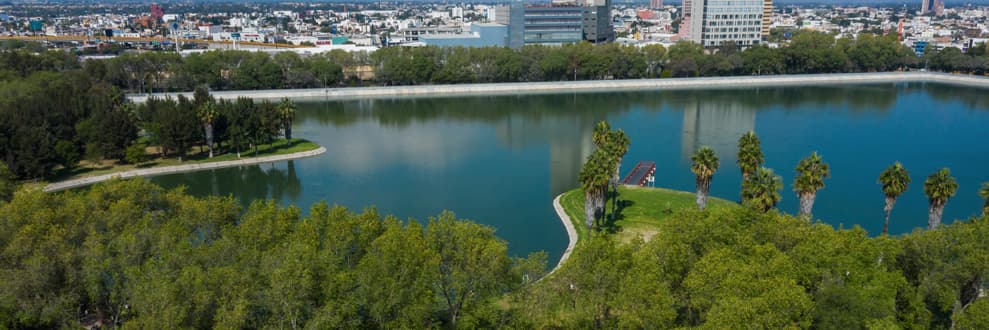
Tangamanga-Park
Reviewed on
Wege · Sport · Museum · Gärten
Kommende Veranstaltungen im Tangamanga I
Aktivitäten mit bestätigten Terminen und Veranstaltungsorten im Tangamanga-I-Park.
San Luis Bowl 2026 — Nationales Flag-Football-Turnier
18. September 2026 – 20. September 2026
Campos del Parque Tangamanga I, San Luis Potosí
Nationales Flag-Football-Turnier vom 18. bis 20. September auf den Sportplätzen des Parque Tangamanga I. Die Liga Estatal de Tocho Bandera veröffentlicht die Spielpläne der einzelnen Kategorien. Gesamte Öffnungszeiten und Eintrittspreise für Zuschauer sind noch nicht bestätigt.
Für die ganze FamilieElefante – 30th Anniversary Tour
18. September 2026
Teatro de la Ciudad, Parque Tangamanga I, San Luis Potosí
Die mexikanische Rockband Elefante feiert drei Jahrzehnte mit einer Show voller Hits (Así es la vida, Durmiendo con la Luna, Mentirosa) im Teatro de la Ciudad im Parque Tangamanga I am Friday, September 18, 2026 um 8:30 PM. Tickets ab $575 MXN über TiketPass; gelistet von der staatlichen Parkbehörde CECURT.
Malēu Family Weekend Experience 2026 — Familienwochenende
19. September 2026 – 20. September 2026
Museo Laberinto de las Ciencias y las Artes, Parque Tangamanga I, San Luis Potosí
Familienwochenende am 19. und 20. September im Museo Laberinto im Parque Tangamanga I mit Kursen, Babyaktivitäten, Shows und Markt. Separat buchbare Angebote: Mommy & Me am 19. September, 08:30–10:00 Uhr (Fitnessbeginn 09:00); Mini Racers Cup 1, 10:30–11:30 Uhr; Toddler Fest, 17:00–18:00 Uhr; Stroller Run 3K am 20. September, 08:00–12:00 Uhr. Allgemeiner Eintritt an der Museumskasse; individuelle VIP-Tickets auf der Veranstalterwebsite. Die Öffnungszeiten des gesamten Festivals sind noch nicht veröffentlicht.
Für die ganze FamilieTorneo Sin Límites San Luis Open 2026 (Tennis)
1. Oktober 2026 – 4. Oktober 2026
Centro Tenístico Potosino, Parque Tangamanga I, San Luis Potosí
Die erste Ausgabe des Torneo Sin Límites San Luis Open findet October 1–4, 2026 im neu renovierten Centro Tenístico Potosino im Parque Tangamanga I statt: professionelle AMTP-Einzelwettbewerbe für Männer und Frauen sowie erste, zweite und dritte Amateurdivisionen mit einem Gesamtpreisgeld von $500,000 MXN.
Für die ganze FamilieÁlvaro Díaz – Omakase Tour
1. Oktober 2026
Teatro de la Ciudad, Parque Tangamanga I, San Luis Potosí
Der puerto-ricanische Urban-Pop-Sänger Álvaro Díaz bringt 'El Omakase Tour' am Thursday, October 1, 2026, ab 7:00 PM ins Teatro de la Ciudad im Parque Tangamanga I. Tickets sind über Arema Ticket erhältlich.
COSMOS Festival Alienígena — Weltraumfestival
2. Oktober 2026 – 4. Oktober 2026
Planetario, Parque Tangamanga I, San Luis Potosí
Themenfestival von Roma LAB mit Musik, Kino, Workshops, Vorträgen, Lichtskulpturen und Markt am Planetario im Parque Tangamanga I. Neuer Termin: 2. bis 4. Oktober 2026. Bereits gekaufte Tickets bleiben gültig. Aktuelle Zeiten und Tickets bei AREMA prüfen.
Für die ganze FamilieEslabón Armado — Amor Nocturno Tour
2. Oktober 2026
Teatro de la Ciudad, Parque Tangamanga I, San Luis Potosí
Die kalifornische Sierreño-Urbano-Gruppe Eslabón Armado präsentiert ihre "Amor Nocturno Tour" am viernes 2 de octubre de 2026 um 21:00 Uhr im Teatro de la Ciudad del Parque Tangamanga I. Tickets sind bei Arema Ticket erhältlich.
Aleks Syntek – Total Syntek 35th Anniversary
10. Oktober 2026
Teatro de la Ciudad, Parque Tangamanga I, San Luis Potosí
Die Tour zum 35-jährigen Bühnenjubiläum von Aleks Syntek macht am Saturday, October 10, 2026 um 8:30 PM im Teatro de la Ciudad im Parque Tangamanga I Halt. Tickets ab $575 MXN über TiketPass.
Las cosas extraordinarias — Theater von Colectivo Escénico Koëtüs · 18:00
16. Oktober 2026
Museo Laberinto de las Ciencias y las Artes, Parque Tangamanga I, San Luis Potosí
Colectivo Escénico Koëtüs präsentiert Las cosas extraordinarias im Museo Laberinto. Vorstellungen am 16. und 17. Oktober um 18:00 und 20:00 Uhr sowie am 18. Oktober um 17:00 und 19:00 Uhr. Tickets kosten 300 MXN pro Vorstellung bei Solcet. Bitte Verfügbarkeit prüfen; Endzeiten sind nicht veröffentlicht.
Las cosas extraordinarias — Theater von Colectivo Escénico Koëtüs · 20:00
16. Oktober 2026
Museo Laberinto de las Ciencias y las Artes, Parque Tangamanga I, San Luis Potosí
Colectivo Escénico Koëtüs präsentiert Las cosas extraordinarias im Museo Laberinto. Vorstellungen am 16. und 17. Oktober um 18:00 und 20:00 Uhr sowie am 18. Oktober um 17:00 und 19:00 Uhr. Tickets kosten 300 MXN pro Vorstellung bei Solcet. Bitte Verfügbarkeit prüfen; Endzeiten sind nicht veröffentlicht.
Las cosas extraordinarias — Theater von Colectivo Escénico Koëtüs · 18:00
17. Oktober 2026
Museo Laberinto de las Ciencias y las Artes, Parque Tangamanga I, San Luis Potosí
Colectivo Escénico Koëtüs präsentiert Las cosas extraordinarias im Museo Laberinto. Vorstellungen am 16. und 17. Oktober um 18:00 und 20:00 Uhr sowie am 18. Oktober um 17:00 und 19:00 Uhr. Tickets kosten 300 MXN pro Vorstellung bei Solcet. Bitte Verfügbarkeit prüfen; Endzeiten sind nicht veröffentlicht. Diese Vorstellung war bei der Prüfung am 8. September ausverkauft; mögliche Änderungen bitte beim Veranstalter prüfen.
Carrera Real del Potosí – 5. Ausgabe Nachtlauf (3K/6K/10K)
17. Oktober 2026
Parque Tangamanga I, San Luis Potosí
Fünfte Ausgabe der Carrera Real del Potosí, organisiert von Caja Real del Potosí mit Zeitnahme durch Tu Tiempo a Tiempo: ein Nachtlauf über 3K, 6K und 10K mit Start und Ziel im Parque Tangamanga I am Saturday, October 17, 2026 um 7:00 PM. Anmeldung $375 MXN.
Für die ganze FamilieLas cosas extraordinarias — Theater von Colectivo Escénico Koëtüs · 20:00
17. Oktober 2026
Museo Laberinto de las Ciencias y las Artes, Parque Tangamanga I, San Luis Potosí
Colectivo Escénico Koëtüs präsentiert Las cosas extraordinarias im Museo Laberinto. Vorstellungen am 16. und 17. Oktober um 18:00 und 20:00 Uhr sowie am 18. Oktober um 17:00 und 19:00 Uhr. Tickets kosten 300 MXN pro Vorstellung bei Solcet. Bitte Verfügbarkeit prüfen; Endzeiten sind nicht veröffentlicht.
Las cosas extraordinarias — Theater von Colectivo Escénico Koëtüs · 17:00
18. Oktober 2026
Museo Laberinto de las Ciencias y las Artes, Parque Tangamanga I, San Luis Potosí
Colectivo Escénico Koëtüs präsentiert Las cosas extraordinarias im Museo Laberinto. Vorstellungen am 16. und 17. Oktober um 18:00 und 20:00 Uhr sowie am 18. Oktober um 17:00 und 19:00 Uhr. Tickets kosten 300 MXN pro Vorstellung bei Solcet. Bitte Verfügbarkeit prüfen; Endzeiten sind nicht veröffentlicht.
Las cosas extraordinarias — Theater von Colectivo Escénico Koëtüs · 19:00
18. Oktober 2026
Museo Laberinto de las Ciencias y las Artes, Parque Tangamanga I, San Luis Potosí
Colectivo Escénico Koëtüs präsentiert Las cosas extraordinarias im Museo Laberinto. Vorstellungen am 16. und 17. Oktober um 18:00 und 20:00 Uhr sowie am 18. Oktober um 17:00 und 19:00 Uhr. Tickets kosten 300 MXN pro Vorstellung bei Solcet. Bitte Verfügbarkeit prüfen; Endzeiten sind nicht veröffentlicht.
Camino al Mictlán – Nachtlauf zum Día de Muertos (3K/8K)
30. Oktober 2026
Parque Tangamanga I, San Luis Potosí
Nachtlauf im Zeichen des Día de Muertos von Winner Time SLP über 3K und 8K im Parque Tangamanga I am Friday, October 30, 2026 um 7:00 PM. Die erste Anmeldephase läuft bis September 7 auf winnertime.mx.
Für die ganze FamilieSpartan Race San Luis Potosí 2026 (mit Kids Race)
31. Oktober 2026
Parque Tangamanga I, Av. Parque Chapultepec 600, San Luis Potosí
Spartans Hindernisparcours-Wochenende kehrt am Saturday, October 31, 2026 in den Parque Tangamanga I zurück: Sprint (5 km, 20 Hindernisse), Super (10 km, 25 Hindernisse) und eine Kids Race für Kinder von 4–13 Jahren auf einem verkürzten Parcours. Anmeldung für Kinder ab $565 MXN; für Erwachsene ab $2,030 MXN (Sprint) und $2,290 MXN (Super). Die Startzeiten werden nach der Anmeldung auf spartan.com zugeteilt.
Für die ganze Familie Musik
MusikSiddhartha "Tu y Yo y Tour"
31. Oktober 2026
Teatro de la Ciudad, Parque Tangamanga I, San Luis Potosí
Der mexikanische Indie-Rock-Star Siddhartha tritt mit seiner "Tu y Yo y Tour" auf – ein intimes Erlebnis, das musikalische Dualität feiert. Bekannt für Hits wie "El Vuelo" und "Tarde".
Enjambre — Daños Luz Tour
13. November 2026
Teatro de la Ciudad, Parque Tangamanga I, San Luis Potosí
Die Rock-en-español-Band Enjambre aus Zacatecas bringt ihre "Daños Luz Tour 2026" am viernes 13 de noviembre de 2026 um 21:00 horas ins Teatro de la Ciudad del Parque Tangamanga. Tickets sind bei Arema Ticket erhältlich.
Manuel Medrano – Superior Tour
28. November 2026
Teatro de la Ciudad, Parque Tangamanga I, San Luis Potosí
Der kolumbianische Singer-Songwriter Manuel Medrano kommt mit der 'Superior Tour' am Samstag, 28. November 2026, um 9:00 PM ins Teatro de la Ciudad, Parque Tangamanga I. Tickets für $695–$3,495 MXN (Fan Zone + Meet & Greet) zuzüglich Gebühren über Arema Ticket.
Daniel Boaventura – En Casa Tour II Galakonzert
5. Dezember 2026
Teatro de la Ciudad, Parque Tangamanga I, San Luis Potosí
Der brasilianische Crooner Daniel Boaventura kehrt mit seinem Galakonzert „En Casa Tour II“ nach San Luis Potosí zurück. Es findet im Teatro de la Ciudad, Parque Tangamanga I, statt: Saturday, December 5, 2026 at 9:00 PM. Tickets über ShowTicket.
Prüfe Uhrzeiten, Preise und Teilnahmebedingungen vor deinem Besuch beim Veranstalter.
Parque Tangamanga I at a glance
Parque Tangamanga I ist ein öffentlicher Stadtpark in San Luis Potosí mit Wegen, Sportflächen, Gärten und Kulturstätten. Der Parkeintritt ist kostenlos; Attraktionen und Veranstaltungen haben eigene Zugangsbedingungen. Zoo wegen Renovierung vorübergehend geschlossen; erkundige dich vor dem Besuch bei CECURT.
Key facts
- Der Parkeintritt ist kostenlos. Museen, Sportangebote und Sonderveranstaltungen können eigene Eintrittspreise haben.
- Mo: 05:00–11:00 · Di–Sa: 05:00–22:30 · So: 05:00–18:00
- Letzter Einlass: Mo 10:30 · Di–Sa 21:30 · So 17:00
- Zoo wegen Renovierung vorübergehend geschlossen; erkundige dich vor dem Besuch bei CECURT.
Parköffnungszeiten und Zoostatus bei CECURT geprüft: 8. September 2026.
2nd largest urban park in Mexico
420+ Hektar
Größe
Over 1.8 million
Trees
800 tons per year
Oxygen
Öffnungszeiten
Mo: 05:00–11:00
Di–Sa: 05:00–22:30 · So: 05:00–18:00
Letzter Einlass: Mo 10:30 · Di–Sa 21:30 · So 17:00
Eintritt
Kostenloser Eintritt
Standort
Av. Dr. Salvador Nava
Ranking
#2 en México
Parque Tangamanga I vs Tangamanga II
San Luis Potosí has two Tangamanga parks. They share a name and a philosophy, but they serve different visitors.
| Feature | 🌳 Tangamanga I | 🏃 Tangamanga II |
|---|---|---|
| Size | 411 ha (1,015 acres) | 189 ha (467 acres) |
| Opened | 1980 | 1985 (over old airport) |
| Admission | Free | Free |
| Location | Southeast SLP, Av. Dr. Salvador Nava | Southwest SLP, Av. Salvador Nava Martínez |
| Main attractions | Laberinto de las Ciencias, theater, gardens, lakes. Zoo: vorübergehend geschlossen. | Archery, auto racing track, sports courts, pet zone, running loops |
| Best for | Families, tourists, first-time visitors | Athletes, runners, pet owners, motorsport fans |
| Trees | 400,000+ | Perimeter groves + open lawn |
Geschichte & kulturelle Bedeutung
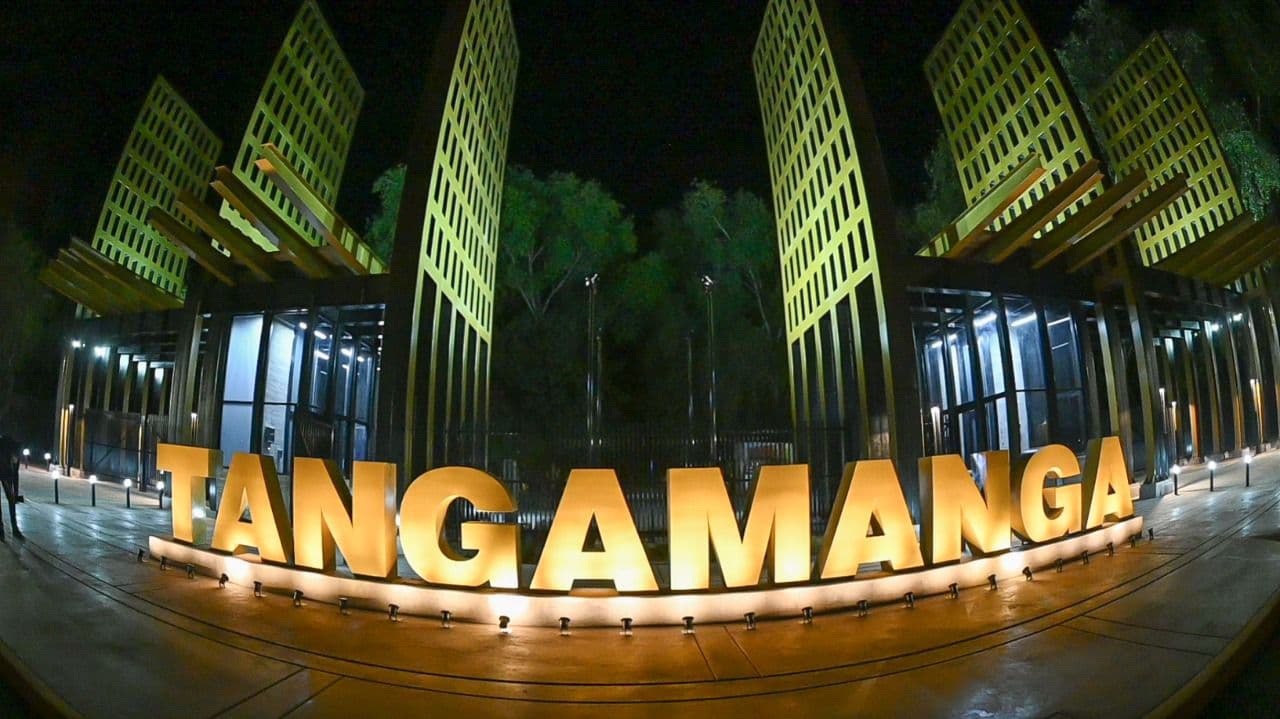
Die Bedeutung von "Tangamanga"
Der Name "Tangamanga" stammt aus der Huachichil-Sprache, einem indigenen Volk, das einst die Region bewohnte. Er bedeutet "Treffpunkt" oder "Ort der Versammlung" und spiegelt die Rolle des Parks als zentraler sozialer und kultureller Mittelpunkt der Gemeinschaft wider.
Historical Origin
The park was formed on the grounds of the old Hacienda de la Tenería, which dates back to 1609. The hacienda's main building is still preserved within the park, serving as a silent witness to over four centuries of Potosino history.
Entstehung und Entwicklung
Der 1980 eingeweihte Tangamanga-Park wurde als Teil eines ehrgeizigen Stadtentwicklungsprojekts geschaffen, um Grünflächen für Erholung und Freizeit zu bieten. Das Projekt war eine Antwort auf den wachsenden Bedarf an öffentlichen Räumen in San Luis Potosí, da die Stadt eine rasche Urbanisierung erlebte.
Kulturelle Bedeutung
Im Laufe der Jahre ist der Tangamanga-Park zu viel mehr als nur einer Grünfläche geworden. Er hat sich zu einem grundlegenden Treffpunkt für die Potosino-Gemeinschaft entwickelt und beherbergt unzählige kulturelle Veranstaltungen, Festivals und Gemeinschaftsaktivitäten.
Hauptattraktionen
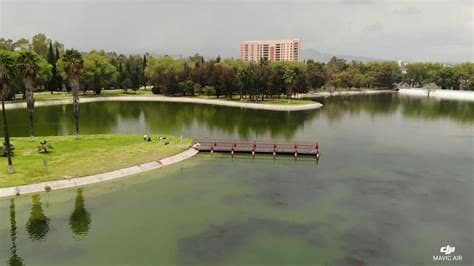
Naturräume
- Botanischer Garten mit vielfältigen Pflanzenarten
- Künstlicher See für Bootsfahrten
- Wege zum Wandern und Radfahren
- Picknickplätze und Grills
- Japanese Garden with traditional architecture
- Greenhouse with tropical plants
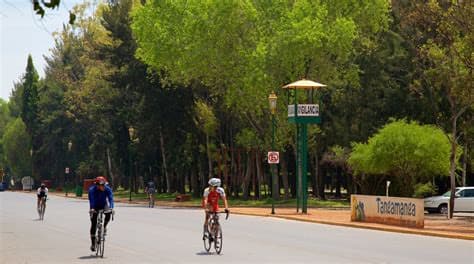
Sportanlagen
- Sportplätze (Fußball, Volleyball, Basketball)
- Skatepark
- Laufstrecken
- Kletterbereich
Cultural Attractions
- Zoo wegen Renovierung vorübergehend geschlossen; erkundige dich vor dem Besuch bei CECURT.
- Planetarium with astronomical projections
- Science Museum with interactive exhibits
- Tangamanga EcoMuseum in historic tannery buildings
- Teatro Carlos Amador for concerts and events
- Tangamanga Splash - water park with slides and pools
Aktivitäten & Veranstaltungen

Sport
- Outdoor-Yoga-Kurse
- Lauf- und Wandergruppen
- Zumba- und Tanzkurse
- Mannschaftssporttraining
- Klettern
- Tennis and racquet sports
Kultur
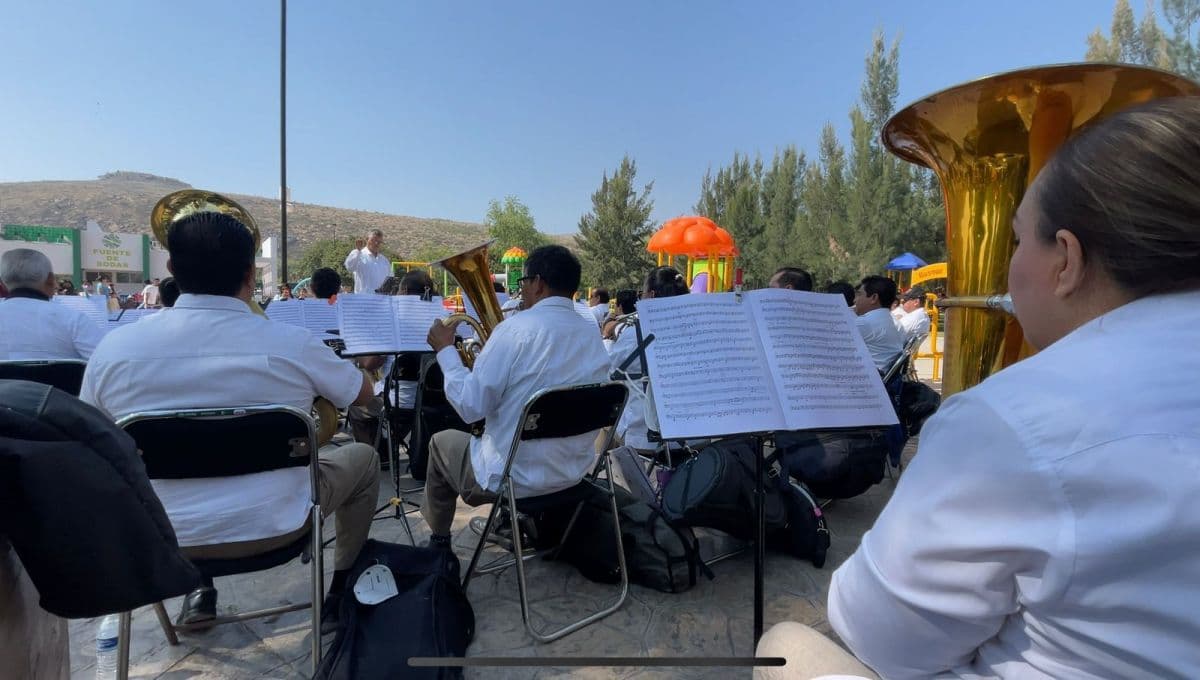
- Freiluft-Theateraufführungen
- Konzerte im Amphitheater
- Kunstausstellungen
- Umweltbildungs-Workshops
- Kulturfestivals
- Planetarium and science museum visits

Familie
- Kinderspielplatz
- Bootsfahrten auf dem See
- Familienspaziergänge und Spielen im Freien
- Umweltbildungsaktivitäten
- Familienfeste
- Educational workshops for children
Zoo: vorübergehend geschlossen
Laut CECURT ist der Zoo vorübergehend geschlossen. Prüfe den aktuellen Status, bevor du einen Besuch planst.
Offizielle Informationen ansehenPlanetario
El planetario del Parque Tangamanga ofrece proyecciones astronómicas inmersivas en una cúpula de alta tecnología. Es ideal para escolares y familias interesadas en la astronomía.
Experiencias:
- •Proyecciones del sistema solar
- •Documentales espaciales
- •Talleres de astronomía para niños
- •Observaciones nocturnas especiales
Funciones
Horarios variables - consultar programación
Se recomienda reservar para grupos escolares
Museo de Ciencia
El Museo de Ciencia cuenta con exhibiciones interactivas que hacen del aprendizaje una experiencia divertida para todas las edades.
Salas:
- •Física y mecánica
- •Biología y ecología
- •Química experimental
- •Tecnología y robótica
Actividades
Talleres educativos los fines de semana
Experimentos en vivo
Tangamanga Splash - Parque Acuático
El parque acuático Tangamanga Splash es el lugar perfecto para refrescarse durante los días calurosos de San Luis Potosí. Cuenta con toboganes, albercas y áreas especiales para niños.
Atracciones:
- •Toboganes de alta velocidad
- •Albercas de olas
- •Área infantil con juegos acuáticos
- •Río lento para relajación
Información Importante
Temporada: Marzo a Octubre
Costo: Entrada separada del parque
Incluye: Vestidores y casilleros
Teatro Carlos Amador
El Teatro Carlos Amador es el principal foro cultural del Parque Tangamanga, con capacidad para más de 1,000 personas. Presenta una amplia variedad de eventos culturales durante todo el año.
Eventos:
- •Conciertos de música clásica y popular
- •Obras de teatro y ballet
- •Festivales culturales
- •Eventos comunitarios
Programación
Consulta la cartelera mensual en el sitio oficial del parque
Muchos eventos son gratuitos
EcoMuseo Tangamanga
Ubicado en los edificios históricos de la antigua Hacienda de la Tenería (1609), el EcoMuseo preserva la historia y el patrimonio cultural de la región.
Exhibiciones:
- •Historia de la Hacienda de la Tenería
- •Proceso tradicional de curtido de pieles
- •Vida en las haciendas potosinas
- •Arquitectura colonial preservada
Visitas
Entrada gratuita
Tours guiados disponibles
Perfecto para aprender sobre la historia local
Jardín Japonés
El Jardín Japonés es un oasis de tranquilidad con arquitectura tradicional japonesa, puentes ornamentales, estanques con carpas koi y vegetación cuidadosamente seleccionada.
Características:
- •Puentes tradicionales de madera
- •Estanque con carpas koi
- •Linternas de piedra (tōrō)
- •Plantas ornamentales asiáticas
Ideal Para
Fotografía
Meditación y relajación
Caminatas contemplativas
Jardín Botánico
El Jardín Botánico del Parque Tangamanga alberga una extraordinaria colección de especies endémicas del desierto mexicano y la región potosina, así como plantas exóticas de diversas partes del mundo.
Colecciones:
- •Cactáceas y suculentas del desierto potosino
- •Plantas medicinales tradicionales
- •Orquídeas y bromelias
- •Invernadero con plantas tropicales
Educación
Talleres de jardinería
Programas de conservación
Tours educativos para escuelas
Biodiversität
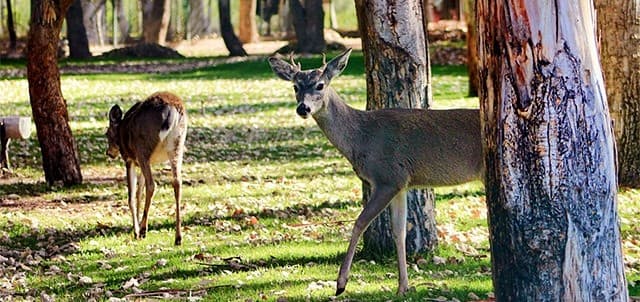
Der Park beherbergt eine reiche Vielfalt an Flora und Fauna. Auf seinen mehr als 420 Hektar finden Sie verschiedene Arten einheimischer Bäume, Zug- und Standvögel sowie kleine Säugetiere und Reptilien. Der botanische Garten ist besonders wichtig für die Erhaltung endemischer Arten der Region.
Self-Sustainability
Tangamanga Park is a model of environmental sustainability
Water Treatment
Water treatment plants that allow water reuse for irrigation of all green areas
Compost Generation
Own production of organic compost to nourish the park's vegetation
Green Lung
Generation of 800 tons of oxygen per year thanks to its 1.8 million trees
Dienstleistungen
Besuchertipps
- Sonnenschutz und Wasser mitbringen
- Bequeme Schuhe tragen
- Am Wochenende früh ankommen
- Veranstaltungskalender prüfen
- Ausgewiesene Bereiche respektieren
- Keinen Müll hinterlassen
- Respect designated areas and wildlife
- Don't leave trash - help keep the city's green lung clean
Other Parks Nearby
Round out your visit with these other green spaces in San Luis Potosí.
🏃 Parque Tangamanga II
The sports park — archery, running, auto racing, pet zone.
🌳 Parque Bicentenario
Smaller urban park celebrating Mexico's bicentennial. Good for afternoon walks and family picnics.
Haufig gestellte Fragen zum Parque Tangamanga
Ist der Eintritt zum Parque Tangamanga kostenlos?▼
Welche Offnungszeiten hat der Parque Tangamanga?▼
Was kann man im Parque Tangamanga machen?▼
Ist der Parque Tangamanga sicher?▼
Wie gross ist der Parque Tangamanga?▼
When is the BMW Tangamanga Marathon?▼
Is there parking at Parque Tangamanga?▼
How do I get to Parque Tangamanga by public transit?▼
What can kids do at Parque Tangamanga?▼
What's the difference between Tangamanga I and Tangamanga II?▼
Is Parque Tangamanga bigger than Central Park?▼
How long does it take to visit Parque Tangamanga?▼
Are dogs allowed at Parque Tangamanga?▼
Can I bring food to Parque Tangamanga?▼
What is the best time to visit Parque Tangamanga?▼
Sources used on this page
- CECURT — official park operator (cecurt.slp.gob.mx)
- Gobierno de San Luis Potosí — municipal records
- INEGI 2020 Census — surrounding demographic data
- Maratón Tangamanga — official race organizer (maratontangamanga.com)
You might also like
Get the best of SLP in your inbox
Free events, new restaurants, updated guides — every week.
Bleiben Sie informiert
Erhalten Sie wöchentliche Updates über neue Orte, Veranstaltungen und Expat-Tipps in Ihrem Posteingang.
Wir respektieren Ihre Privatsphäre. Abmeldung jederzeit möglich.