Columbia Herren-Wanderschuhe
Zuverlässiger Grip für Real de Catorce, Huasteca Potosina und Sierra de San Miguelito.
$1,200–2,500 MXN
Auf Mercado Libre ansehenAffiliate-Link


Kurzantwort
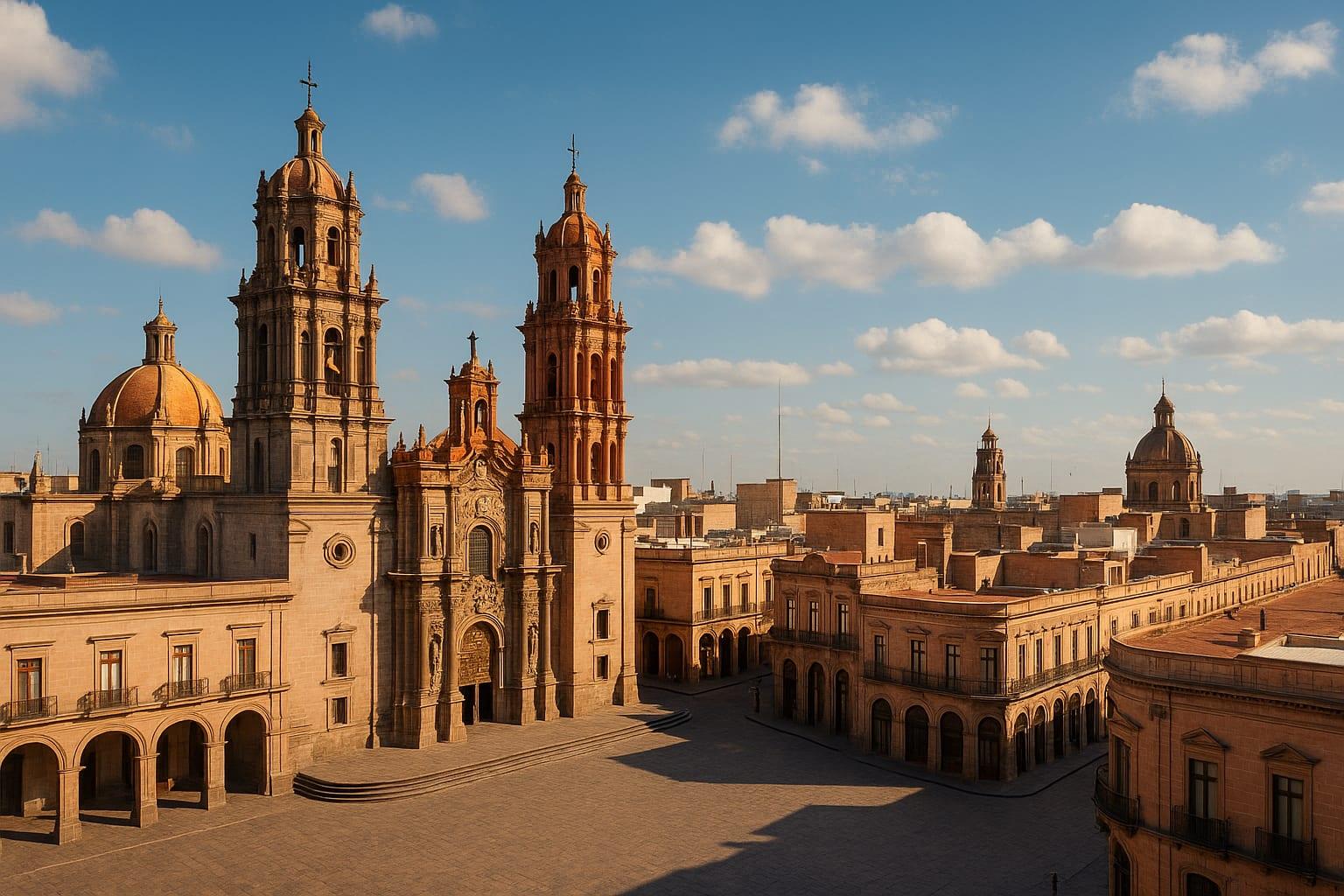
Real de Catorce liegt auf 2.730 m und ist nur über 25 km Kopfsteinpflaster plus den einspurigen, 2,3 km langen Ogarrio-Tunnel erreichbar. 2026 ist Oktober besonders voll: Die Fiesta de San Francisco markiert den 800. Jahrestag, erwartet werden Rekordandrang und Zehntausende Pilger.
In diesem Reiseführer
Fakten geprüft im Juli 2026 · Quellen am Ende · Passt zu unseren Wochenendausflügen ab SLP
Um Real de Catorce zu erreichen, fahren Sie 25 km über Kopfsteinpflaster einen Wüstenberg hinauf und passieren dann einen 2.3 km langen Bergwerkstunnel, der kaum breit genug für Ihr Auto ist. Auf der anderen Seite: eine halb verlassene Silberstadt auf 2,730 Metern, in der Brad Pitt einen Film drehte, in die jeden Oktober Zehntausende Pilger strömen und deren umliegende Wüste von der UNESCO als heiliger Boden anerkannt ist. Dies ist der vollständige Reiseführer für 2026.
Real de Catorce ist eine ehemalige Silber-Boomstadt in der Sierra de Catorce, ~220 km nördlich der Stadt San Luis Potosí, auf etwa 2,730 m (9,000 ft). Einst Heimat von rund 15.000 Menschen und einer eigenen Münzstätte, verwaiste sie nach dem Zusammenbruch des Silbers um 1900 fast vollständig — und wurde als einer der ersten Pueblos Mágicos (2001) Mexikos wiedergeboren.
Silber wurde in diesen Bergen Anfang der 1770er-Jahre geschürft, und der Ort wurde um 1779–1780 offiziell gegründet. Dann kam der Rausch: 1782 wurden in weniger als einem Monat achtundvierzig Minen registriert. Gegen Ende des 19. Jahrhunderts besaß Real de Catorce einige der reichsten Silberminen Mexikos, eine eigene Casa de Moneda (die in den 1860er-Jahren rund drei Jahre lang Silber-Reales prägte, bevor Kaiser Maximilian 1866 ihre Schließung anordnete) und etwa 15.000 Einwohner — die lokale Überlieferung übertreibt das auf 40.000. Mexikos erste Dynamitsprengung wurde hier ausgelöst, in der Mine La Purísima, im Jahr 1873.
Und der Name? Niemand weiß es wirklich. Die beiden konkurrierenden Legenden — vierzehn spanische Soldaten, die von Chichimeca-Kriegern überfallen wurden, oder vierzehn Banditen, die Silbertransporte ausraubten — sind eben genau das: Legenden. Der einzige belegte Anhaltspunkt ist eine 1773 entdeckte Erzader an einem Ort, der bereits „Los Catorce" hieß.
Als die Silberpreise nach 1900 einbrachen, entleerte sich der Ort innerhalb einer Generation. Die Volkszählung von 2010 zählte 1.392 Menschen inmitten von Herrenhäusern, Minenanlagen und einer Hahnenkampfarena, die für eine zehnmal so große Stadt gebaut worden war — jene „Geisterstadt"-Textur, die ihn heute unvergesslich macht.
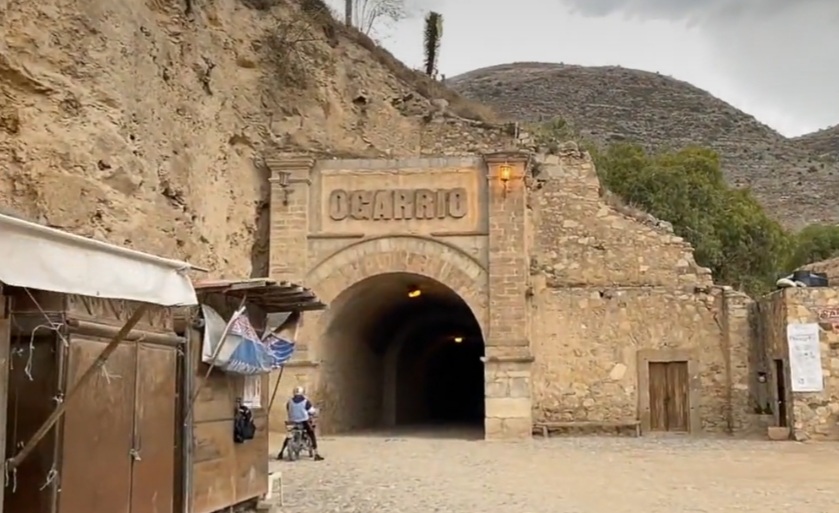
Zwei Trupps, die von gegenüberliegenden Seiten des Berges gruben, trafen sich 1901 nach vier Jahren Arbeit in der Mitte — und verschafften dem Ort die seltsamste Eingangstür Mexikos. Der Túnel de Ogarrio (benannt nach der Heimatstadt des Ingenieurs Vicente Irizar in Spanien) verläuft etwa 2.3 km durch den Fels, bietet Platz für eine einzige Spur und wird auf altmodische Weise geregelt: Personal mit Funkgeräten an beiden Enden wechselt die Fahrtrichtung ab.
Der Bundesstaat hat Pläne angekündigt, den Tunnel nur noch als Einfahrt zu nutzen und auf der anderen Seite eine neue Ausfahrtsstraße anzulegen — doch Stand Mitte 2026 steht die Alternativroute noch aus, rechnen Sie also mit dem klassischen Wechselsystem.
Zwischen den 1790er-Jahren und 1817 erbaut, mit einem seltenen Boden aus breiten Kiefernbohlen. Sie beherbergt das als wundertätig geltende Bildnis des heiligen Franz von Assisi — Panchito —, von dem Gläubige schwören, dass er nachts durch die Berge wandert und dabei seine Sandalen abnutzt. Die Wände voller Votivtafeln, viele davon im 19. Jahrhundert von Bergleuten auf Blech gemalt, die für das Überleben von Grubeneinstürzen dankten, sind Grund genug für einen Besuch.
Die Münzstätte aus den 1860er-Jahren, heute das Kulturzentrum des Ortes (Museumseintritt ~MX$20). Eine Münzstätte so weit oben an einem Maultierpfad sagt alles darüber aus, wie viel Silber aus diesen Bergen kam.
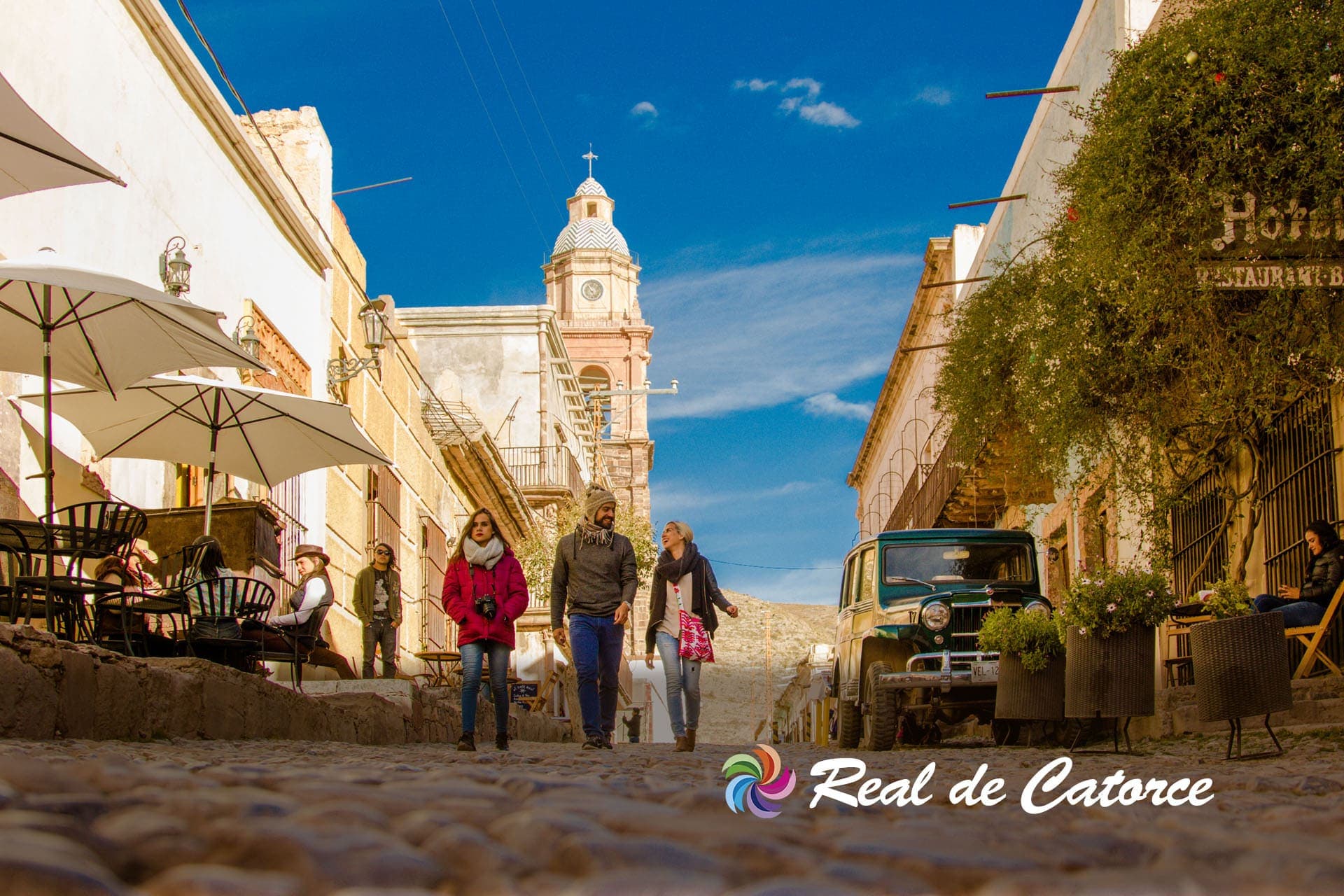
Eine steinerne Hahnenkampfarena aus dem 19. Jahrhundert — ein Rom im Miniaturformat — und der baumgesäumte Hauptplatz, wo die Willys-Fahrer warten.
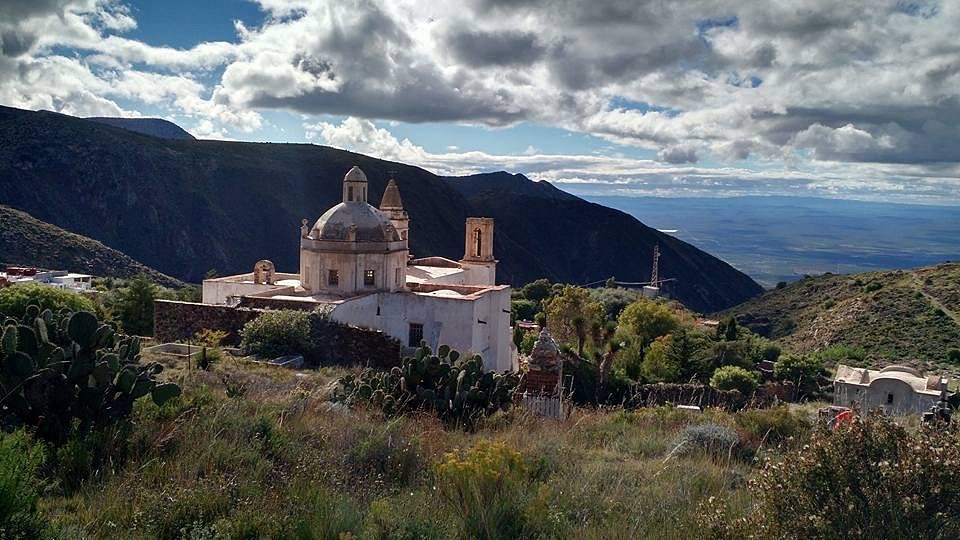
Der Panteón stammt aus dem Jahr 1775 und umgibt eine Kapelle aus dem 18. Jahrhundert, die älter ist als die Pfarrkirche — die älteste Ecke des Ortes und ihre fotogenste zur goldenen Stunde.
Klassische Willys-Jeeps im Stil des Zweiten Weltkriegs — einst Pilgertransport von der Bahnstation weiter unten — fahren heute vom Plaza Hidalgo: Sammelfahrten hinunter nach Estación Catorce und in die Wüste (~MX$50/Person im Kollektiv; ~MX$250/Person für 3–4-stündige Gemeinschaftstouren; private Jeeps MX$500–1,500 je nach Route). Bestätigen Sie die Preise am Platz.
Örtliche Guides bieten Ausritte zu den Minenruinen des Pueblo Fantasma (~MX$250, ~100 Min.) und zum Cerro del Quemado (~MX$300, ~3 Std.) an — Preise aus veröffentlichten Reiseführern von 2023; rechnen Sie 2026 mit etwas mehr.
Der Pueblo Fantasma — verfallene Minenanlagen und Aufbereitungshaciendas, die über die Sierra verstreut sind, darunter der Socavón de la Purísima — ist das Bild, das den Ort verkauft: dachlose Steinmauern vor Wüstenpanoramen über 100 km. Kommen Sie früh wegen des Lichts; tragen Sie festes Schuhwerk.
Die Wüste unterhalb des Ortes ist keine Kulisse. Sie ist Wirikuta — das heilige Gebiet, in dem nach der Kosmologie der Wixárika (Huichol) die Welt erschaffen und die Sonne geboren wurde. Jedes Jahr wandern Wixárika-Pilger Hunderte von Kilometern zum Cerro del Quemado, dem Berg über Real de Catorce, als Höhepunkt einer Route, die im Juli 2025 in die UNESCO-Welterbeliste aufgenommen wurde — die erste lebendige indigene Tradition Lateinamerikas, die diese Anerkennung erhielt.
Für alle, die nicht Mitglied eines anerkannten indigenen Volkes sind, ist es in Mexiko illegal, Peyote zu pflücken, zu besitzen, zu transportieren oder zu konsumieren (Allgemeines Gesundheitsgesetz Art. 245; Bundesstrafgesetzbuch Art. 194–195, mit Strafen von 5–20 Jahren). Er steht zudem unter Umweltschutz (NOM-059): Der Kaktus braucht Jahrzehnte, um heranzureifen, und wird durch die Entnahme ausgerottet — Bußgelder für Wildtiere gehen in die Millionen Pesos. „Peyote-Tourismus" schädigt eine langsam wachsende Pflanze, eine lebendige Kultur und möglicherweise Ihre Zukunft. Erleben Sie stattdessen die Stille der Wüste; sie ist das Echte.
Wissenswerter Kontext: Bergbaukonzessionen erstrecken sich noch immer über weite Teile des Wirikuta-Reservats, und die Wixárika kämpfen seit Jahren dagegen — die UNESCO-Eintragung stärkt diese Verteidigung.
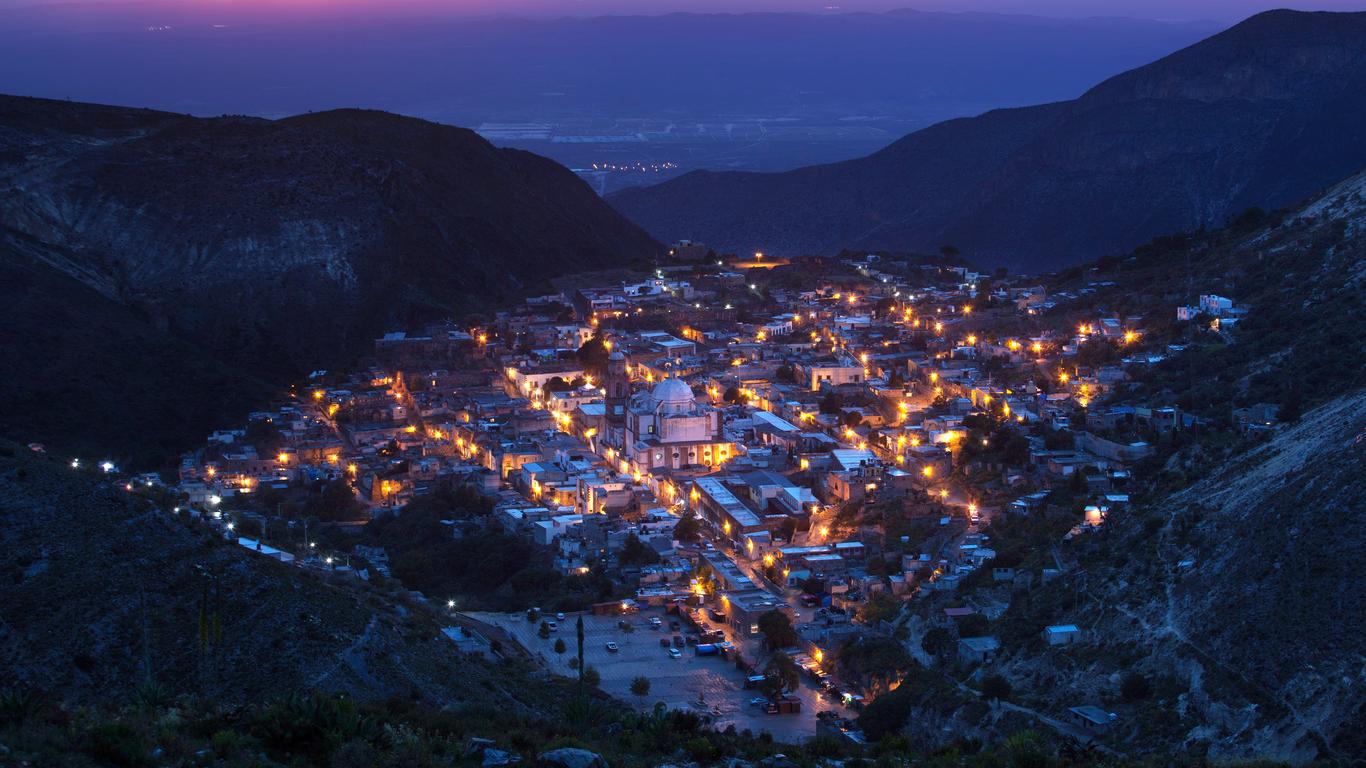
~220 km: Autobahn 57 nach Norden bis Matehuala (~2 Std.), westwärts über Cedral, dann ~25 km Kopfsteinpflaster hinauf zum Tunnel. Planen Sie in der Praxis 4 Stunden ein — das Kopfsteinpflaster ist langsam. Mit dem Bus: SLP → Matehuala, dann Combis ab Altamirano 104 (~8, 14 und 17 Uhr; ~MX$121).
Hochwüste: sonnige Tage (21°C im Januar, ~30°C im Mai) und kalte Nächte das ganze Jahr (0–10°C). Immer eine Jacke. Beste Monate: Oktober–April.
| Hotel | Stil | Ab (MXN/Nacht) |
|---|---|---|
| Mesón de la Abundancia | Boutique in einem Steingebäude von 1863; der Klassiker des Ortes | ~$1,450–1,900 |
| Villas Alcazaba | Rustikale Hütten am Hang | ~$1,800 |
| Mesón del Refugio | An der Pfarrkirche | ~$950–1,500 |
| Hotel El Real | 28 Zimmer, verlässliche Mittelklasse | ~$1,100 |
Veröffentlichte Zahlen 2023–2026 — bei der Buchung bestätigen; Wochenenden und Feiertage sind früh ausgebucht.
Essen: das Restaurant des Mesón de la Abundancia und La Porfiriana (Hauptgerichte ~MX$250), La Migaja für Mexikanisch-Italienisch (~MX$200), überall Gorditas an Straßenständen — dazu eine kuriose Ansammlung italienischer Restaurants, ein Erbe, das die Einheimischen auf die italienischen Filmteams und Auswanderer der 1990er-Jahre zurückführen.
Von der dritten Septemberwoche bis etwa zum 12. Oktober — mit dem Höhepunkt am 4. Oktober — strömen Zehntausende Pilger durch den Tunnel, um Panchitos Glaskasten zu berühren. Jüngste Ausgaben prognostizierten bis zu 80.000 Besucher über die Saison; Hotels sind zu über 90 % ausgelastet, und der Tunnel wechselt in den Modus „draußen parken und Shuttle nehmen".
2026 ist der 800. Jahrestag des Todes des heiligen Franz von Assisi (gest. 3. Oktober 1226), und Real de Catorce erwartet die ganze Saison über verstärkten religiösen Tourismus. Die Gemeinde hat sogar eine monumentale Statue des Heiligen aus rosafarbenem Stein angekündigt — die Stand Mitte 2026 jedoch angekündigt bleibt, statt gebaut zu sein. Wenn Sie das Spektakel wollen, buchen Sie Monate im Voraus; wenn Sie die Geisterstadt wollen, kommen Sie in einem beliebigen anderen Monat.
Der Look verfallener Pracht des Ortes hat eine Filmografie: The Mexican (2001) brachte Brad Pitt und Julia Roberts auf diese Straßen (und durch den Ogarrio-Tunnel), Bandidas (2006) holte Salma Hayek und Penélope Cruz hierher, und dem italienischen Film Puerto Escondido (1992) wird oft nachgesagt, die italienische Liebesgeschichte des Ortes begonnen zu haben. Sogar alt-J drehte hier ein Musikvideo („3WW", 2017).
Ja — es ist eines der stimmungsvollsten Reiseziele Mexikos: eine halb verlassene Silberstadt auf ~2,730 m in der Sierra de Catorce, betreten durch einen einspurigen, 2.3 km langen Bergwerkstunnel. Rechnen Sie mit mindestens einem vollen Tag; eine Übernachtung lässt Sie die Ruinen der Geisterstadt bei Sonnenaufgang und den Sternenhimmel der Hochwüste erleben. Er lässt sich gut mit einem Besuch der Stadt San Luis Potosí (220 km entfernt) verbinden.
Fahren Sie auf der Autobahn 57 nach Norden bis Matehuala (etwa 2 Stunden), dann westwärts durch Cedral und schließlich rund 25 km Kopfsteinpflasterstraße hinauf zum Ogarrio-Tunnel — in der Praxis insgesamt etwa 4 Stunden. Mit öffentlichen Verkehrsmitteln: Bus nach Matehuala, dann Combis in den Ort ab Altamirano 104 (Abfahrten etwa um 8, 14 und 17 Uhr).
Es gibt genau einen Geldautomaten, im Rathaus, und er ist berüchtigt unzuverlässig. Behandeln Sie den Ort als reines Bargeldziel: Bringen Sie alle Pesos mit, die Sie für Unterkunft, Essen, die Tunnelmaut und Willys-Fahrten benötigen, aus Matehuala oder San Luis Potosí.
Der Ogarrio-Tunnel ist ein ehemaliger Bergwerkstunnel von 2.3 km (1,5 Meilen) — gegraben 1897–1901 — und der Haupteingang des Ortes. Er bietet Platz für eine Fahrspur, daher wechselt Personal mit Funkgeräten die Richtung ab. Rechnen Sie mit einer geringen Maut (etwa MX$30–60 pro Fahrzeug zuzüglich einer Gebühr pro Person, bar). Während der Fiesta im Oktober und der Semana Santa parken die Autos draußen bei Dolores Trompeta, und Shuttles bringen Sie hindurch.
Von Oktober bis April gibt es kühle, sonnige Hochwüstentage — aber die Nächte sinken das ganze Jahr über nahe an den Gefrierpunkt, packen Sie also immer eine Jacke ein. Meiden Sie (oder genießen Sie) die Fiesta de San Francisco von Ende September bis zum 12. Oktober: Zehntausende Pilger kommen, die Hotels sind ausgebucht, und 2026 — zum 800. Jahrestag des heiligen Franz von Assisi — werden Rekordbesucherzahlen erwartet.
Nein. Für alle, die nicht Mitglied eines anerkannten indigenen Volkes sind, ist das Pflücken, Besitzen, Transportieren oder Konsumieren von Peyote in Mexiko eine Bundesstraftat (Strafen von 5–20 Jahren), und der Kaktus steht zudem unter Umweltschutz nach NOM-059 — er wächst quälend langsam und ist durch die Entnahme bedroht. Die Wüste rund um den Ort, Wirikuta, ist heiliges Wixárika-Gebiet, dessen Pilgerroute 2025 von der UNESCO eingetragen wurde. Genießen Sie die Landschaft; lassen Sie den Peyote in Ruhe.
Geprüft im Juli 2026 anhand von: INAH (Gründungschronologie, Münzstätte, erste Dynamitsprengung), realdecatorce.info (Tunnelbau, Pfarrkirche, Casa de Moneda), UNESCO-Welterbezentrum (Eintragung der Wixárika-Route, Ref. 1704), Mexikos Allgemeinem Gesundheitsgesetz Art. 245 und Bundesstrafgesetzbuch Art. 194–195 sowie NOM-059-SEMARNAT (Rechts- und Schutzstatus von Peyote), El Universal SLP (Festbesucher, Tunnelprotokoll, Preise für Willys und Ausritte), Wikivoyage-Bearbeitungen 2026 (Hotels, Tunnelmaut, Combi-Fahrpläne), El Sol de San Luis und Potosinoticias (Tourismusagenda 2026, Statuenankündigung, Straßenbauarbeiten), Wikipedia/IMDb (Drehorte). Wo Quellen sich widersprechen — Höchstbevölkerung, Tunnelmaut, der Name des Ortes — geben wir Spannen an oder kennzeichnen Legenden als Legenden.
Planen Sie weitere Auszeiten von San Luis Potosí?
Sehen Sie sich unseren Leitfaden für Wochenendausflüge und die Reiseroute durch die Huasteca Potosina an — oder erhalten Sie die wöchentliche Agenda kostenlos.
San Luis Way Weekly abonnierenAusrüstung und Haushaltsartikel, die unsere Community für das Leben und Abenteuer in SLP empfiehlt.
Zuverlässiger Grip für Real de Catorce, Huasteca Potosina und Sierra de San Miguelito.
$1,200–2,500 MXN
Auf Mercado Libre ansehenAffiliate-Link

Aufladbar, 500 Lumen, wasserabweisend. Unverzichtbar für Camping in Real de Catorce oder Nachtwanderungen.
$1,200–2,000 MXN
Auf Mercado Libre ansehenAffiliate-Link

Bequeme Nachtruhe beim Camping in der Huasteca oder Real de Catorce — faltbar und kofferraumtauglich.
$780–1,400 MXN
Auf Mercado Libre ansehenAffiliate-Link
Erhalten Sie praktische Tipps zur Navigation in der Stadt, wöchentliche Veranstaltungen und nützliche lokale Informationen in Ihrem Posteingang.
Treten Sie unserer Gemeinschaft bei. Kein Spam, niemals.
Free events, new restaurants, updated guides — every week.
Erhalten Sie wöchentliche Updates über neue Orte, Veranstaltungen und Expat-Tipps in Ihrem Posteingang.
Wir respektieren Ihre Privatsphäre. Abmeldung jederzeit möglich.